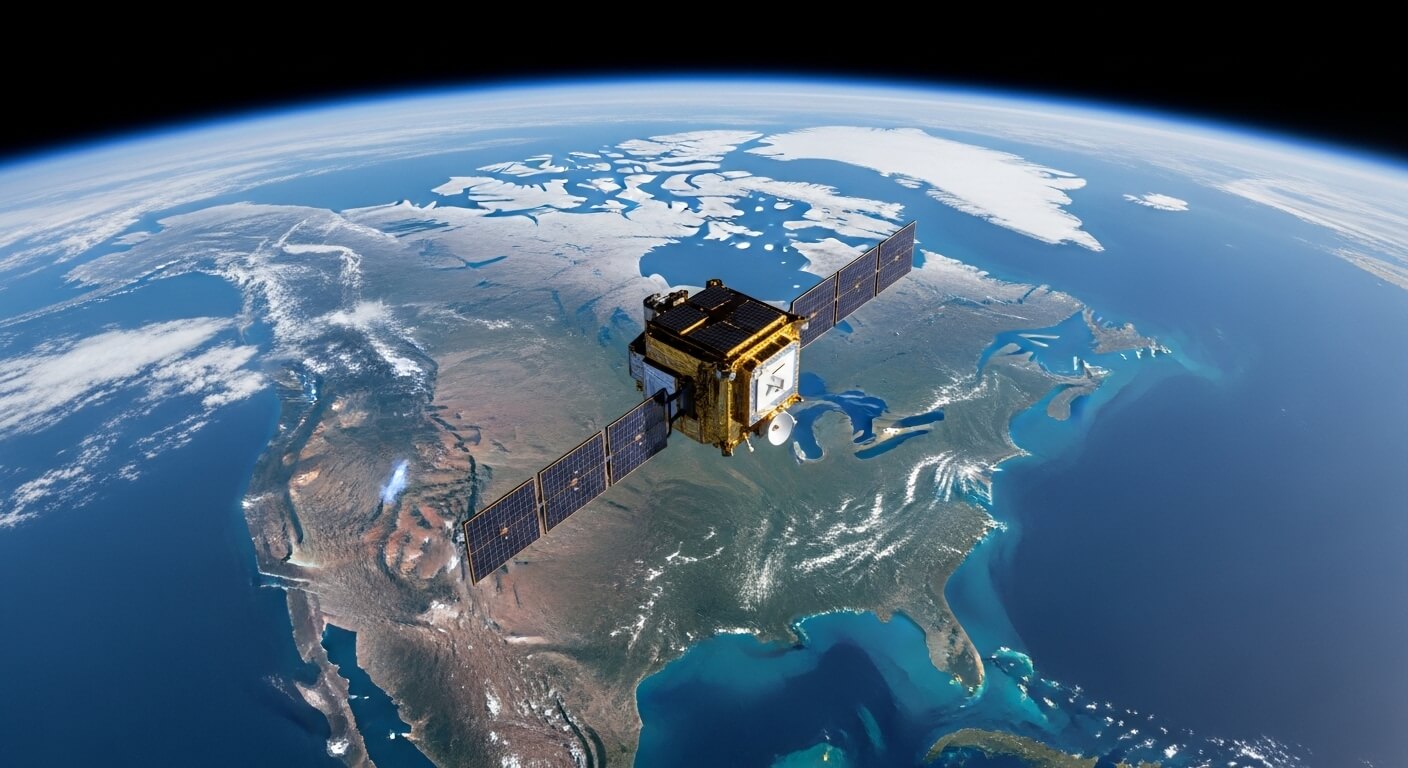
Globalstar has activated its HIBLEO-XL-1 satellite system filing, signaling an expansion of mobile-satellite service (MSS) capacity across new orbital shells and frequency bands, beyond its existing L/S/C-band holdings. This move complements the company’s third-generation “C-3” program, announced in November 2024, which aims to deploy 48 satellites and approximately 90 new tracking antennas worldwide.
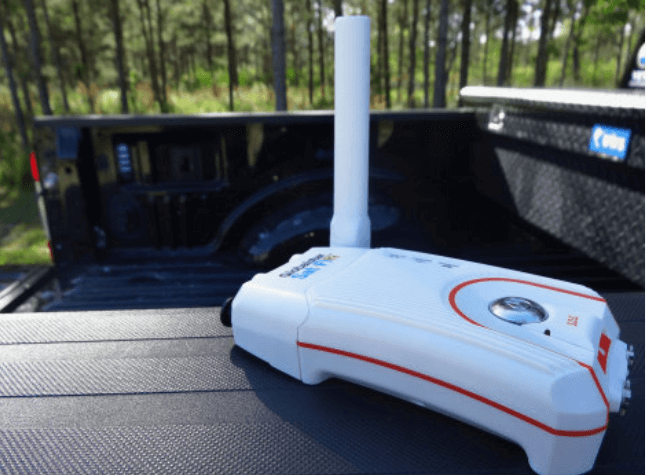
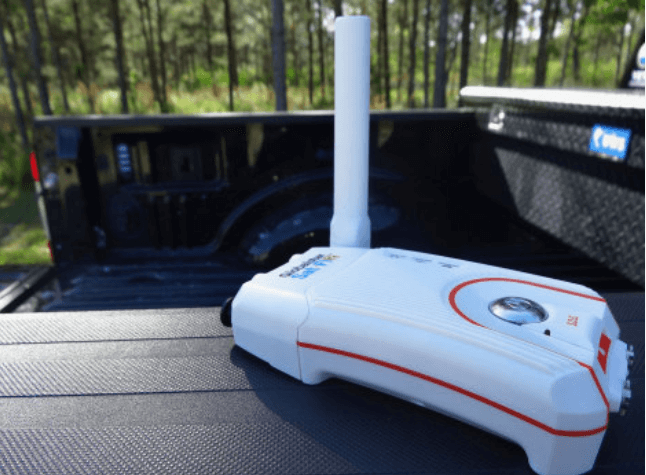
The C-3 program will operate alongside Globalstar’s current constellation at ~1,414 km altitude and 52° inclination, featuring higher-power downlinks to enhance user experience. Globalstar recently installed its first C-3 tracking antenna in Clifton, Texas (June 2025) and signed a launch services agreement with SpaceX. MDA and Rocket Lab are building the satellites under existing contracts.
The HIBLEO-XL-1 filing and C-3 program build on Globalstar’s consumer reach through Apple’s iPhone satellite services and its terrestrial Band 53/n53 strategy for private 4G/5G networks. Apple, which owns a 20% stake in Globalstar and has committed up to $1.5 billion in funding and prepayments, extended free satellite features and introduced “Messages via satellite” in iOS 18.
Key Updates:
- HIBLEO-XL-1: Activation plan includes additional satellites, orbital shells, and MSS uplink/downlink and feeder-link spectrum.
- C-3 Build-Out: 48 satellites, ~90 antennas across ~35 ground stations, using existing Big LEO bands, altitude, and inclination.
- Ground Network: First C-3 antenna installed in Clifton, Texas (June 2025).
- Launch: SpaceX contracted; satellites manufactured by MDA and Rocket Lab.
- Apple Partnership: Apple’s funding and 20% equity stake; Globalstar allocates ~85% of capacity to Apple services.
- iPhone Features: Emergency SOS via satellite and iOS 18 “Messages via satellite” (U.S., Canada, Mexico), supported by Apple’s $450M ground-network investment.
- Terrestrial n53: 3GPP-approved 5G band with ecosystem support via Qualcomm modems and Nokia private wireless deployments.
- Leadership & Financials: CEO Paul E. Jacobs (since August 2023); CFO Rebecca S. Clary; Q2 2025 revenue $67.1M, net income $19.2M, adjusted EBITDA $35.8M.
“We believe that bringing HIBLEO-XL-1 into use provides Globalstar with significant optionality as the Company grows as a major provider of connectivity in the global space economy,” said Dr. Paul Jacobs, CEO.
🌐 Analysis Globalstar’s journey—from a 1990s LEO pioneer backed by Loral and Qualcomm, through a 2002 Chapter 11 restructuring, to today’s dual MSS and terrestrial n53 strategy—reflects resilience and adaptation. The Apple partnership, solidified by 2022–2024 funding and a 20% equity stake, has transformed Globalstar’s profile, enabling capacity and ground-network upgrades while tying its economics to iPhone satellite features like “Messages via satellite.” This reliance on Apple introduces concentration risk but also provides unmatched scale, visibility, and device ubiquity.
The C-3 program and HIBLEO-XL-1 filing position Globalstar to expand its spectrum and orbital toolkit amid a heating direct-to-device race (e.g., Starlink Direct-to-Cell, AST SpaceMobile, EchoStar/MDA). Globalstar’s strengths include licensed Big LEO spectrum, a growing n53 device ecosystem via Qualcomm, and Apple’s vast iPhone footprint. Key milestones to monitor include C-3 launch timelines, ground-station retrofits (~90 antennas across 35 sites), regulatory approvals for new bands, and sustained Apple monetization beyond the free feature window. Financially, Q2 2025 showed revenue growth and profitability; continued success will depend on wholesale capacity expansion, SPOT/IoT growth, and disciplined capital expenditure as satellite deployments ramp up.