One thing about the space industry that is a certainty, people like to think big. Just as the mobile networking industry is wrapping up the big 4G LTE network rollouts across the six inhabited continents, while setting its sights on much denser 5G infrastructure, the satellite industry is setting the stage for new generation of broadband satellite constellations. While some see a growing saturation of mobile coverage, augmented by FTTH, xDSL and cable modem fixed line services, the satellite proponents point out that there are billions of people in the developing countries without dependable Internet access.
An FCC study recently found that more than 39% of Americans living in rural areas lack access to advanced telecommunications capability, as compared to 4% of Americans living in urban areas, and approximately 41% of Americans living on Tribal lands lacking access to advanced telecommunications capability. For such unserved or underserved markets broadband satellites promise ubiquitous coverage in rural and hard-to-reach places, especially islands without an undersea cable connection. Satellites also offer an ‘incremental user advantage’ over mobile infrastructure. This means that if there is one user residing outside the network footprint, the mobile or fixed line network would require the deployment of new equipment closer to this user. For satellite, there is no additional cost from adding just one user from its very wide footprint. This series will look at two recently floated broadband satellite proposals: SpaceX and Ligado Networks.
Elon Musk’s SpaceX – massive ambition
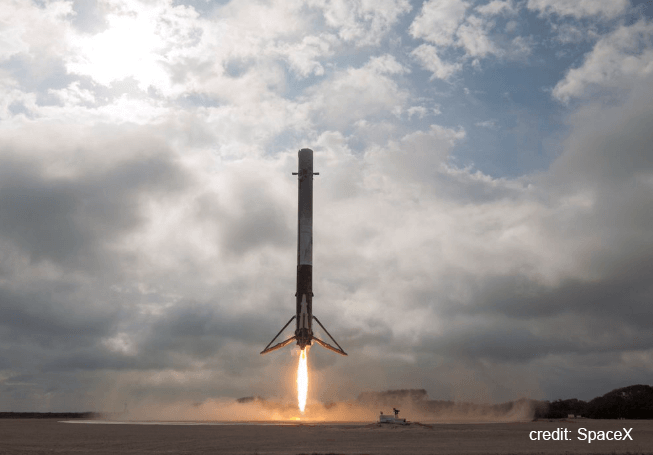
Space Exploration Technologies (SpaceX) is widely known for its Falcon reusable rocket designs and long-term mission to colonise Mars. The Hawthorne, California based company was founded in 2002 by Elon Musk. Its first big milestones include launching and recovering its Dragon spacecraft in 2010 and becoming the first private company to successfully send a spacecraft to the International Space Station in 2012. It currently has about 6,000 employees; investors include Google, Fidelity, Draper Fisher Jurvetson, Founders Fund, Valor Equity Partners and Capricorn. SpaceX believes its reusable launch system is the magic that will significantly bring down the cost of getting into space. Beginning in 2017, SpaceX has entered a schedule of launches on behalf of commercial customers and its NASA contract to transport goods and soon astronauts to the International Space Station.
The SpaceX LEO plans
Earlier this month, Patricia Cooper, VP, Satellite Government Affairs for SpaceX, unveiled an ambitious plan for low-earth orbit satellites during testimony in front of the U.S. Senate’s Committee on Commerce, Science & Technology. Her testimony centred on a new generation of U.S.-based LEO satellites. The advantage of LEO positioning is that the satellite can deliver much lower latency versus satellites parked in a geostationary orbit at distances of 22,000 miles. However, large constellations of LEO satellites are needed to maintain continuous coverage.
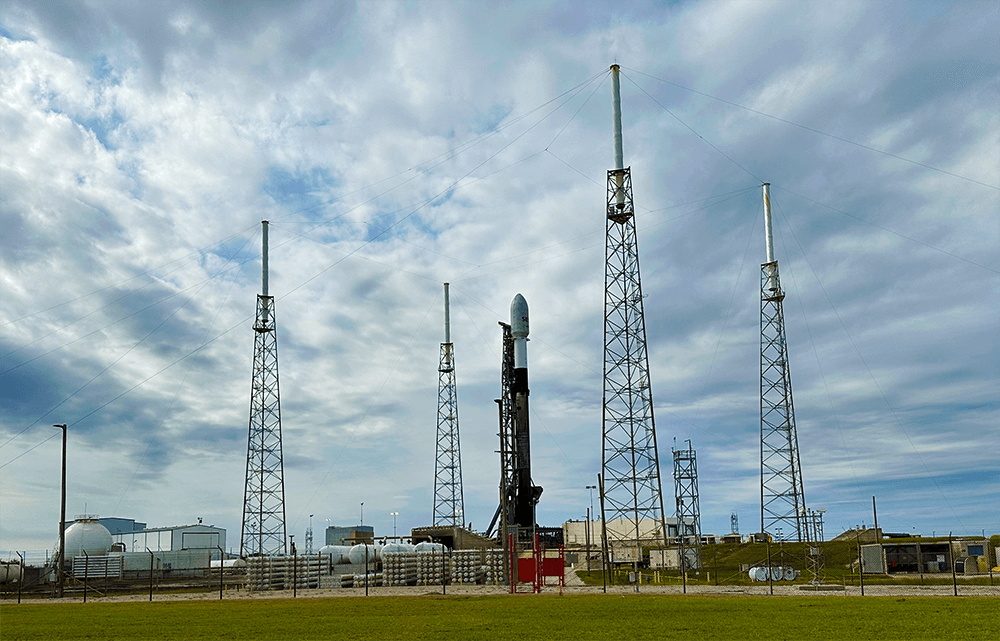
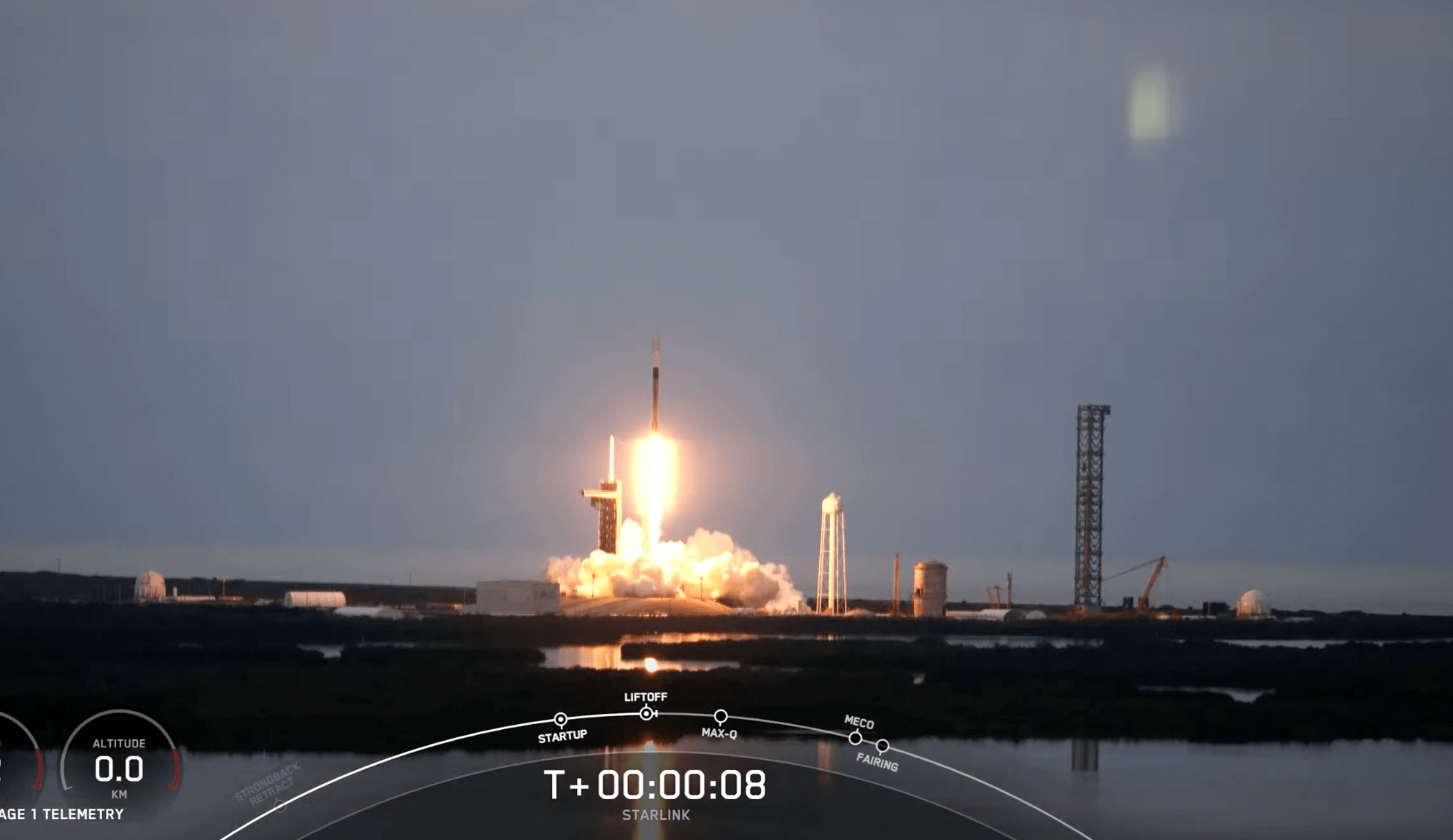
SpaceX follows a vertically-integrated approach from design, development, production, launch and operations. The company says it is already the world’s largest launch services provider, measured by missions under contract. Its upcoming launch manifest current has 70 mission bookings. As of May 16th, the SpaceX Falcon 9 launch vehicle has successfully launched 33 times. SpaceX plans to leverage technology advances like dynamic beam forming and phased array antennas in space and on the ground, as well as optical inter-satellite links to establish a ‘mesh network’ in space through which the satellites will communicate with each other.
First SpaceX design points:
• Initially, the SpaceX system will consist of 4,425 satellites operating in 83 orbital planes (at altitudes ranging from 1,110 km to 1,325 km).
• The system will require associated ground control facilities, gateway earth stations, and end user earth stations.
• The system will use Ka- and Ku-Band spectrum.
• Target customers include residential, commercial, institutional, governmental, and professional users worldwide.
 SpaceX has separately filed for authority to operate in the V-Band, where the company has proposed an additional constellation of 7,500 satellites operating even closer to Earth. To implement the system, SpaceX will utilise the availability of significantly more powerful computing and software capabilities, which will enable SpaceX to allocate broadband resources in real time, placing capacity where it is most needed and directing energy away from areas where it might cause interference to other systems, either in space or on the ground.
In terms of CPE, SpaceX is developing a relatively small flat panel roughly the size of a laptop. It will use similar phased array technologies to allow for highly directive, steered antenna beams that track the system’s LEO satellites. In space, the satellites will communicate with each other using optical inter-satellite links, in effect creating a mesh network overhead that will enable seamless network management and continuity of service.
Space X is seeking regulatory clearance to expand the umbrella coverage of the LEO constellation with the more intensive coverage from the VLEO constellation. The company anticipates launching its first prototype satellites by the end on the year. Operation launch is anticipated in 2019 and the company hopes that the remaining satellites will be launched in phases through 2024, when the system will reach full capacity with the Ka- and Ku-band satellites. Naturally, SpaceX intends to use its own Falcon 9 rocket, leveraging significant launch cost savings afforded by the first stage reusability now demonstrated with the vehicle.
At this stage in the project, it looks as though SpaceX is planning to design, launch and operate the broadband satellite constellation on a global basis, with the first prototype launch expected in 2018. So far, it has apparently filed for regulatory permits only in the U.S. Proceeds from the network operations presumably will be used to fund the company’s Mars ambitions.