by Sally Bament, Vice President of Cloud and Service Provider Marketing, Juniper Networks
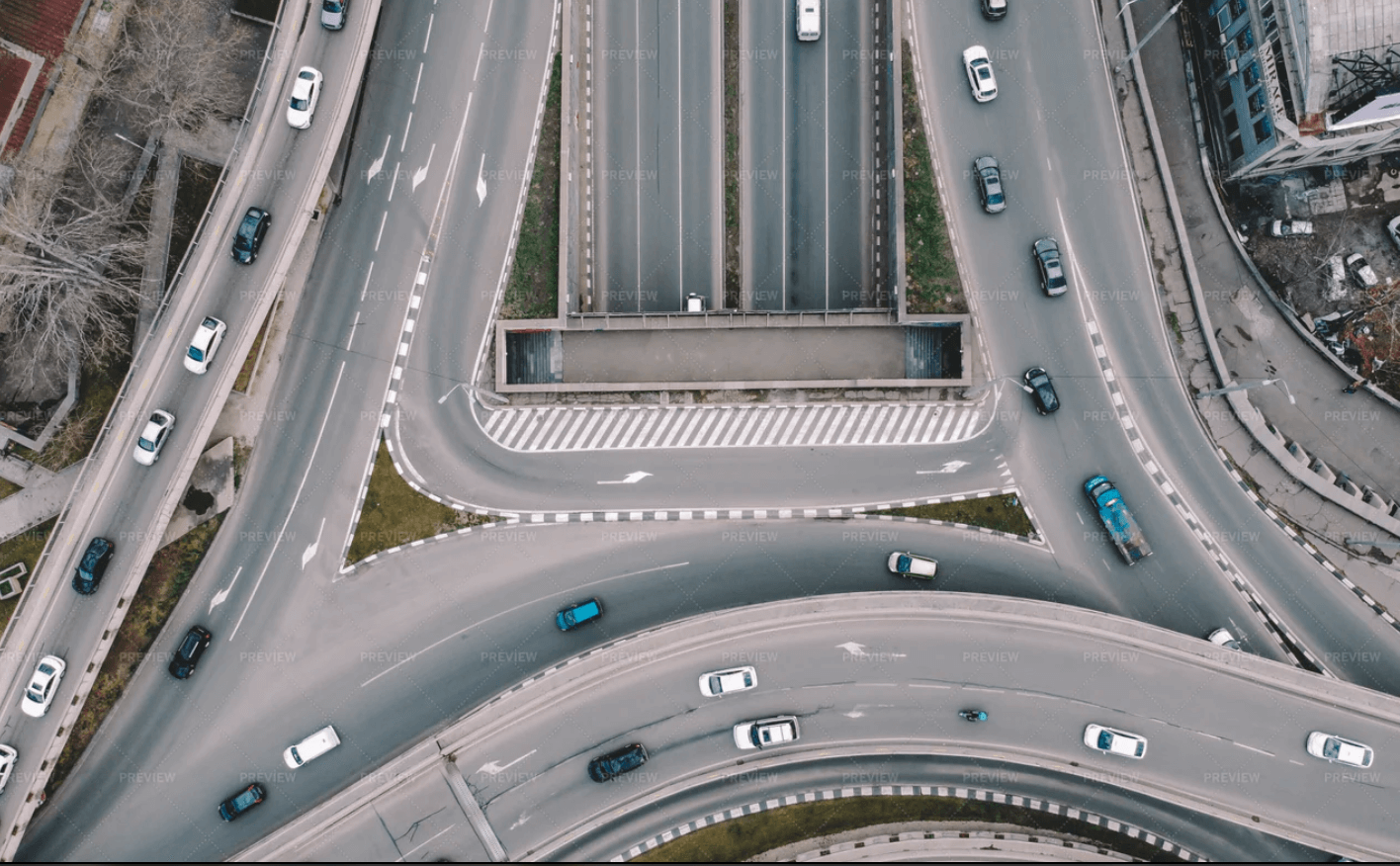
Imagine that network infrastructure is a highway with two parallel roads going in the same direction: one for wireless and the other for wireline traffic. But there’s a big concrete barricade between them, and no one in one lane can see what is happening in the other. Now, let’s say there’s an event that changes the rules of the road, such as the pandemic. Virtually overnight, traffic patterns change wildly. There’s less commuting traffic, as rush hour has virtually disappeared. There’s more big-rig traffic, as consumers switched to a fully digital way of life. And while the big-rig traffic could really benefit from more lanes, jumping the concrete barricade simply is not an option.

When transportation systems are rigid and traffic becomes more complicated and dynamic, what are the options? A rebuild of the physical roadway is one option, but it’s expensive, disruptive and takes far too long. Worse, the same result could occur without the ability to adapt to future traffic patterns.
Fortunately, when it comes to improving network infrastructure, there’s an easier choice – Wireless Wireline Convergence – a set of standards that turns constrained, siloed systems into a unified stack for service delivery. Put simply, Wireless Wireline Convergence (known as WWC) doesn’t break down siloes, instead, it rewires traffic to rise above them. In other words, WWC supports co-existence, interworking and interoperability – for service providers, that means they finally have flexibility in how, where, and when they move toward convergence.
Service Providers Take a Different Road
The shift to WWC is coming at the right time as demands on service providers have reached an all-time high, requiring them to deliver seamless connectivity to subscribers as traffic patterns shifted and hit peak levels literally overnight.
After all, Fixed Mobile Convergence (WWC’s predecessor) has its limitations. Although it was designed to bridge services across siloed wireless and wireline infrastructures, Fixed Mobile Convergence failed to gain traction because software was tightly integrated with existing siloed platforms. But now, today’s leading service providers are already working to implement different aspects of WWC. Beyond the obvious advantage of a converged network with respect to operational costs, WWC has the ability to deliver new, differentiated service experiences.
For example, it unlocks superior connectivity by ushering in a consistent access-agnostic service experience, meaning customers get consistent features across multi-access networks and different customer premises equipment. WWC also delivers improved application experiences by making it possible to aggregate available wireless and wireline bandwidth into one logical link that can improve speed, quality of service and reliability.
And with so much bandwidth being consumed at the network edge from subscribers, devices and applications, the demand to turn up services even faster at the edge has never been so high. Service providers have responded quickly to manage the surge in traffic while avoiding lagging, downgraded quality, and slower speeds, but this on its own isn’t enough – now WWC helps them offer edge services at an even faster rate.
All Roads Lead to WWC
It’s an extraordinary time for service providers around the globe as the industry undergoes long-term changes in relation to how they build, design and manage their networks. With these changes, service providers are finally seeing a wide-open road for convergence of wired and wireline services in a single service stack. By taking advantage of WWC, service providers can finally break down the walls separating yesterday’s siloed architectures and build a more versatile, powerful network for the future.
WWC will play an increasingly important role in the evolution of the network access and edge. It will help enable an exhilarating degree of freedom in planning and executing business strategies, including distributing network resources where and when they are needed. As major service providers look to incorporate WWC into their strategies, they’ll soon deliver the perfect “road” to meet their changing traffic needs.