Presented at the Citi 2025 Global TMC Conference
American Tower CEO Steve Vondran outlined a sharpened strategic focus on developed markets, operational efficiency, and disciplined capital allocation during remarks at Citi’s 2025 TMC Conference. He confirmed the company’s long-term shift away from emerging markets—down from 40% to 25% of revenue post-India divestiture—with a continuing goal to further reduce exposure. While reaffirming American Tower’s goal of mid-to-upper single-digit annual AFFO per share growth, Vondran highlighted ongoing initiatives to optimize leasing revenue, manage churn, and bend the cost curve.
Domestically, American Tower is benefiting from higher-than-peer leasing activity driven by a premium landlord-tenant model, accelerated on-air times, and streamlined upgrade processes. Organic growth is supported by ~3% escalators, declining churn (~1%), and continued amendments and co-locations. Recent developments like the AT&T–EchoStar/Boost spectrum transaction could offer upside if AT&T deploys the acquired 600 MHz band, though near-term visibility remains limited.
Internationally, volatility persists. Vondran cited challenges in Latin America due to industry consolidation (e.g., Telefónica and Oi), currency pressures, and legal disputes, such as a $300 million rent arbitration with AT&T in an emerging market. Despite these headwinds, Vondran expressed confidence in Africa’s recovery and sustained double-digit growth in the data center segment. The company continues to prioritize internal investments over M&A and considers opportunistic share buybacks aligned with long-term value creation.
- Developed markets now account for 75%+ of revenue after India divestiture
- $300M annual rent dispute with AT&T has triggered arbitration and Q2 reserves
- U.S. tower business sees strong tenant demand and ~20% YoY growth in co-locations
- EchoStar’s spectrum sale to AT&T viewed as potential catalyst for future amendments
- U.S. organic growth guided in the mid-single digits, supported by 3% lease escalators
- Latin America and Africa expected to rebound post-2027 as structural pressures ease
- Data center business delivering double-digit growth, albeit off a small base
- Capital priorities: $3.2B capex planned, internal build-outs preferred over acquisitions
- Opportunistic share buybacks remain under consideration
“Our mission is to grow expenses slower than revenue. We’re confident in our ability to do that, and we believe our cost initiatives will continue to support margin expansion,” said Vondran.
🌐 Analysis: American Tower’s move to reduce emerging market exposure reflects a broader industry trend toward portfolio de-risking amid FX volatility and regulatory uncertainty. The arbitration with AT&T and shifting spectrum dynamics underscore the challenges of monetizing legacy contracts. Domestically, American Tower appears well-positioned to capture incremental growth through densification and amendment activity—especially as AI workloads and fixed wireless usage increase demand on edge infrastructure.
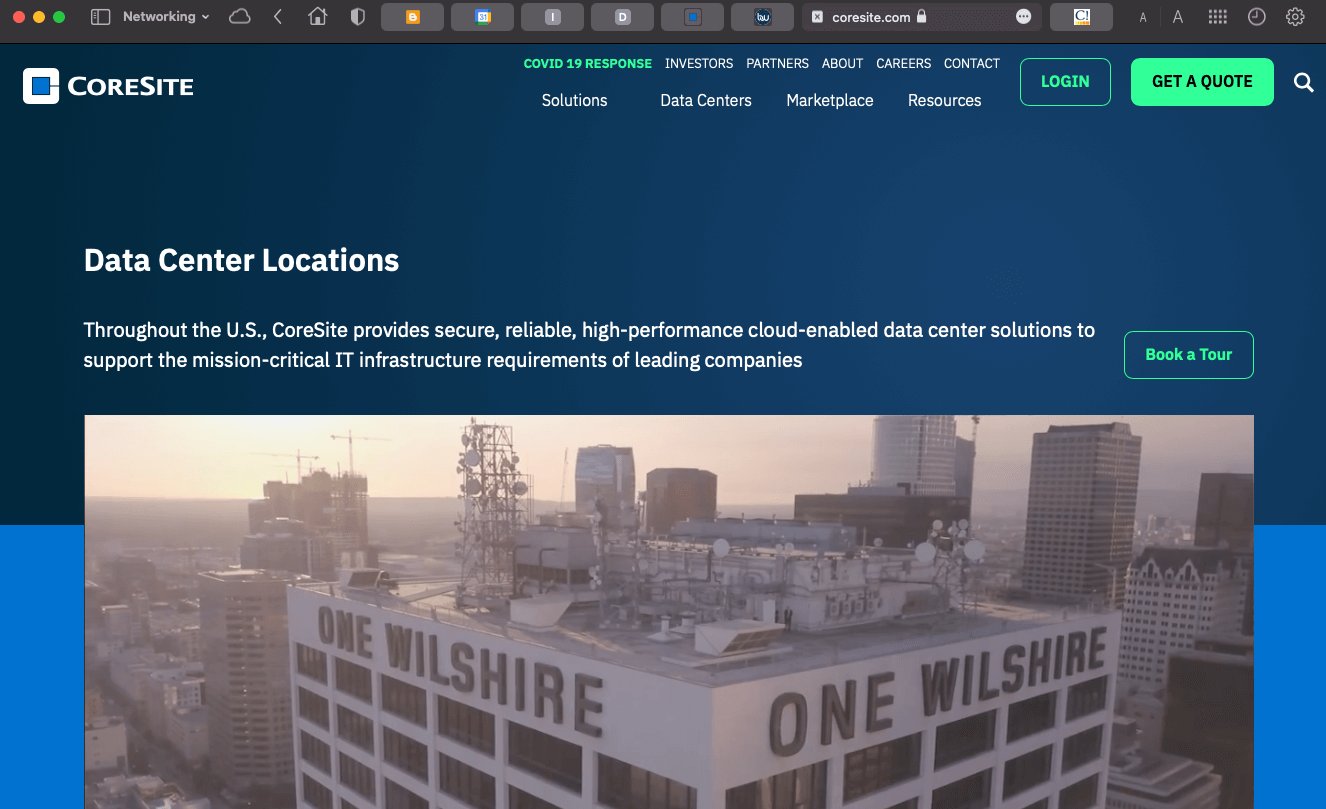
American Tower Corporation (NYSE: AMT), headquartered in Boston, Massachusetts, is one of the world’s largest real estate investment trusts (REITs), specializing in wireless and broadcast communications infrastructure. The company’s mission is to enable a connected world by building and operating multi-tenant communications sites, including towers, rooftops, and distributed antenna systems (DAS). Founded in 1995 as a unit of American Radio Systems and spun out as a public company in 1998, American Tower has expanded aggressively through acquisitions and international growth, now owning and operating over 220,000 sites across the Americas, Europe, Africa, and Asia-Pacific. Under the leadership of President and CEO Steve Vondran since 2023, following the retirement of long-serving CEO Tom Bartlett, the company continues to focus on maximizing organic tenant growth, disciplined capital deployment, and strategic expansion into edge data centers and private networks. Key milestones include its $10.1 billion acquisition of CoreSite in 2021 to deepen its presence in the data center sector. Major partners include wireless carriers such as AT&T, Verizon, and T-Mobile, and the company has played a central role in enabling 4G and 5G rollouts globally.
🌐 We’re tracking the latest developments in wireless and tower infrastructure. Follow our ongoing coverage at: https://convergedigest.com/category/infra-wireless/