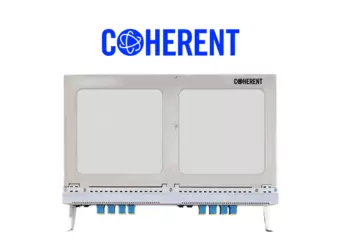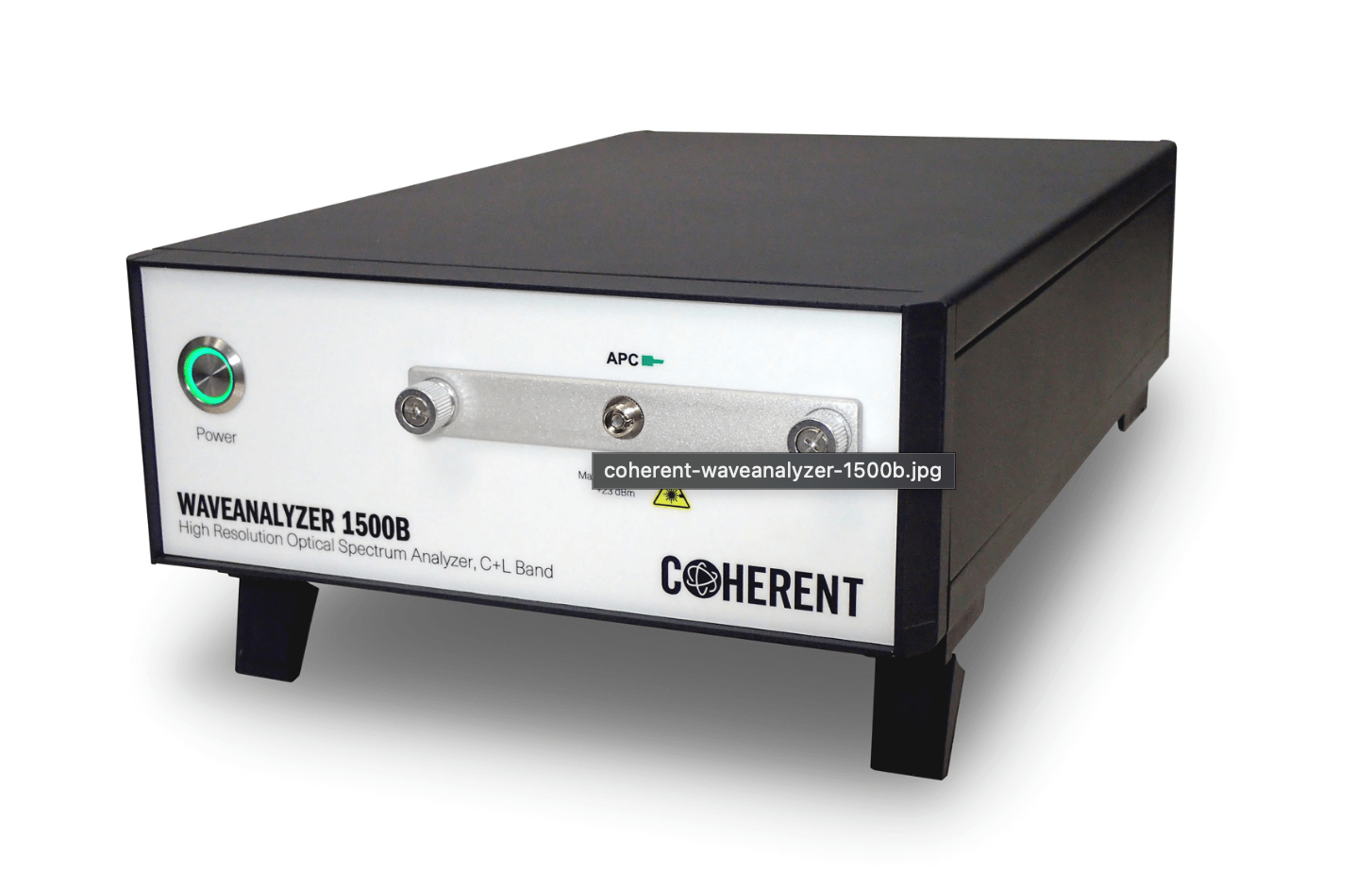
Coherent Corp. has introduced the WaveAnalyzer 1500B, a high-resolution optical spectrum analyzer designed for precision transceiver testing in AI-driven data center and telecom networks. Building on the WaveAnalyzer 1500S, the new model delivers 100 MHz absolute frequency accuracy, 180 MHz resolution bandwidth, and full C+L band coverage, making it a high-speed, high-accuracy solution for next-generation optical communication systems. By enabling 10 sweeps per second, the WaveAnalyzer 1500B consolidates the functions of wavelength meters and optical spectrum analyzers, reducing both equipment footprint and capital costs for transceiver production and lab environments.
Unlike conventional spectrum analyzers that compromise speed for resolution, the WaveAnalyzer 1500B achieves both, making it an ideal drop-in upgrade for existing setups. It integrates seamlessly via an intuitive GUI and backward-compatible API, ensuring smooth adoption in high-throughput transceiver testing workflows. Recognized with a 4.5 high score in the 2025 Lightwave+BTR Innovation Reviews, the WaveAnalyzer 1500B will debut at OFC 2025 in San Francisco from April 1-3, with sample units shipping in May and first deliveries expected in July 2025.
• WaveAnalyzer 1500B delivers 100 MHz absolute frequency accuracy and 180 MHz resolution bandwidth for high-precision transceiver testing.
• 10 sweeps per second enables high-throughput testing, consolidating wavelength meter and spectrum analyzer functions.
• Full C+L band coverage supports next-gen AI, data center, and telecom applications.
• Seamless integration with intuitive GUI and backward-compatible API for simplified deployment.
• Debuts at OFC 2025, with sample units available in May and first deliveries in July 2025.
“The WaveAnalyzer 1500B redefines optical spectrum analysis,” said Dr. Ralf Stolte, Senior Sales and Marketing Manager, Optical Communications Test Equipment at Coherent. “Its unmatched speed, resolution, and accuracy streamline transceiver testing while ensuring future readiness for full C+L band networks.”