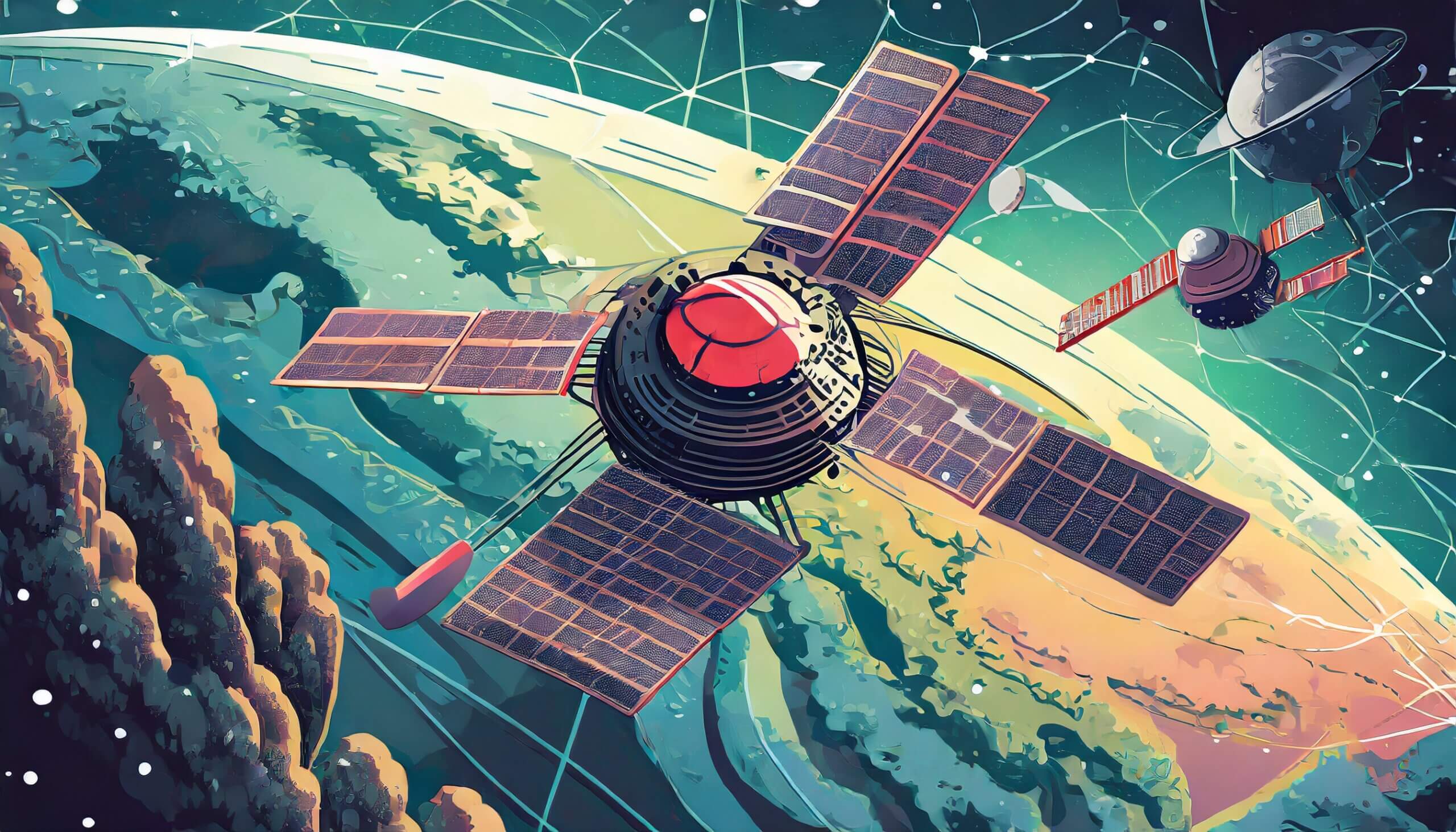
Colt Technology Services, Honeywell, and Nokia have announced a joint initiative to trial space-based quantum key distribution (QKD), aiming to protect encrypted optical network traffic from future threats posed by quantum computing. The collaboration will explore how satellites in Low Earth Orbit (LEO) can extend the secure reach of quantum cryptography beyond the distance limits of terrestrial infrastructure.
The trial will evaluate how QKD can be used to securely share encryption keys over ultra-long distances, including transatlantic spans, by overcoming the ~100 km range constraint of fiber-based QKD links. The satellite approach complements Colt’s ongoing work on terrestrial quantum-secure networking, and is especially relevant for sectors with sensitive data, such as finance, healthcare, pharmaceuticals, and government.
The companies aim to preempt quantum threats by developing infrastructure capable of resisting decryption by future quantum computers. This effort builds on Honeywell’s space missions like QEYSSat and QKDSat, and aligns with Nokia’s defense-in-depth strategies for critical network security. A white paper titled “The Journey to Quantum-Safe Networking” offers further insights into the collaboration and the broader need for quantum-resilient solutions.
- Colt, Honeywell, and Nokia to trial satellite-based quantum key distribution
- Addresses the risk of traditional encryption becoming vulnerable to quantum attacks
- Leverages Low Earth Orbit satellites for global QKD reach
- Applicable to highly sensitive sectors: finance, healthcare, government
- Builds on Colt’s prior terrestrial QKD pilot and Honeywell’s aerospace programs
“At Colt, we’re taking action now to protect our customers from future cybersecurity risks, tackling tomorrow’s threats today,” said Buddy Bayer, COO, Colt Technology Services.