Comcast introduced Metro Ethernet services targeted at mid-sized businesses with 20 – 500 employees in 20 markets across the U.S.
Comcast Metro Ethernet services are delivered using the company’s fiber-based IP network at rates from 1 Mbps up to 10 Gbps that can be remotely scaled in increments of 1 Mbps, 10 Mbps, 100 Mbps or 1 Gbps.
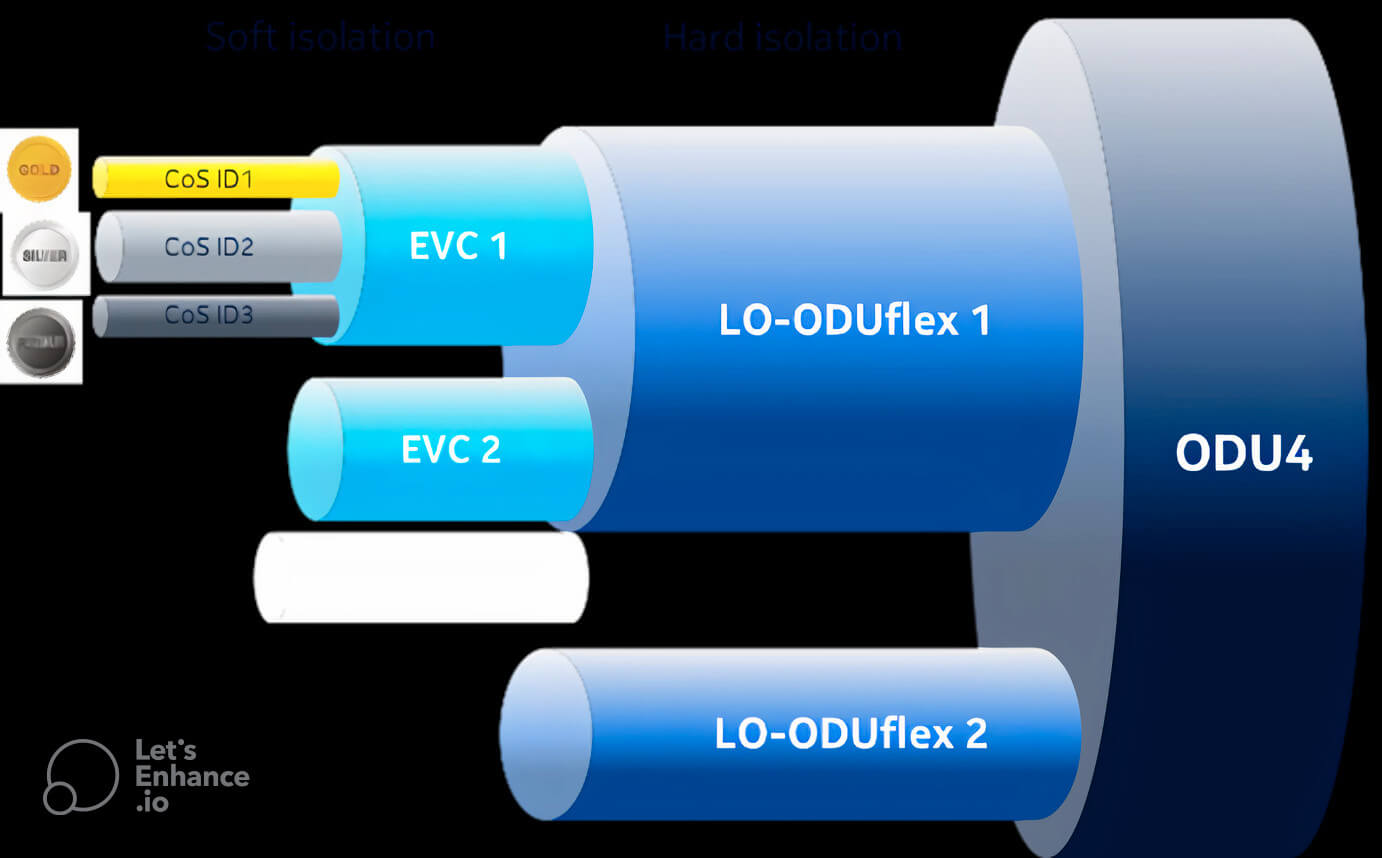
Three different classes of service are offered. Comcast has three certifications from the Metro Ethernet Forum (MEF 9, 14 and 18), which are backed by strict service level agreements, and monitored 24x7x365 from Comcast’s dedicated Network Operations Centers.
Comcast Metro Ethernet Services:
Ethernet Private Line Service – point-to-point connectivity between two customer sites for bandwidth-intensive applications.
Ethernet Virtual Private Line Service – a point-to-multipoint connection that allows customers to tailor bandwidth, performance characteristics and cost to meet the needs of their applications.
Ethernet Network Service – multipoint-to-multipoint connectivity to connect organizations with high-bandwidth requirements and multiple locations across Comcast’s network.
Ethernet Dedicated Internet Access Service – continuous, high-bandwidth connectivity between customers’ LANs and the public Internet.
“Our fiber-rich network powers our Metro Ethernet services and provides a secure, reliable and cost-effective solution for mid-sized businesses’ data needs,” said Bill Stemper, President of Comcast Business Services. “Metro Ethernet is quickly overtaking T1 and other legacy services as the preferred technology for business communications. Just as broadband supplanted dial-up in consumers’ homes, our new Metro Ethernet services are designed to help businesses compete and win using our fast and scalable digital platform.”
Comcast currently provides Metro Ethernet services in the following markets: Atlanta, Baltimore, Boston, Chicago, Denver, Detroit, Harrisburg (Pa.), Hartford, Houston, Indianapolis, Jacksonville, Miami, Nashville, state of New Jersey, Oakland, Philadelphia, Pittsburgh, Portland, Sacramento, Salt Lake City, San Francisco, San Jose, Seattle, Washington D.C. and western New England. Additional markets will be launched on an ongoing basis.http://business.comcast.comIn May 2011, Comcast introduced Metro Ethernet services targeted at mid-sized businesses with 20 – 500 employees in 20 markets across the U.S.
Comcast Metro Ethernet services are delivered using the company’s fiber-based IP network at rates from 1 Mbps up to 10 Gbps that can be remotely scaled in increments of 1 Mbps, 10 Mbps, 100 Mbps or 1 Gbps.
Three different classes of service are offered. Comcast has three certifications from the Metro Ethernet Forum (MEF 9, 14 and 18), which are backed by strict service level agreements, and monitored 24x7x365 from Comcast’s dedicated Network Operations Centers.
Comcast Metro Ethernet Services:
Ethernet Private Line Service – point-to-point connectivity between two customer sites for bandwidth-intensive applications.
Ethernet Virtual Private Line Service – a point-to-multipoint connection that allows customers to tailor bandwidth, performance characteristics and cost to meet the needs of their applications.
Ethernet Network Service – multipoint-to-multipoint connectivity to connect organizations with high-bandwidth requirements and multiple locations across Comcast’s network.
Ethernet Dedicated Internet Access Service – continuous, high-bandwidth connectivity between customers’ LANs and the public Internet.
“Our fiber-rich network powers our Metro Ethernet services and provides a secure, reliable and cost-effective solution for mid-sized businesses’ data needs,�? said Bill Stemper, President of Comcast Business Services. “Metro Ethernet is quickly overtaking T1 and other legacy services as the preferred technology for business communications. Just as broadband supplanted dial-up in consumers’ homes, our new Metro Ethernet services are designed to help businesses compete and win using our fast and scalable digital platform.”
Comcast currently provides Metro Ethernet services in the following markets: Atlanta, Baltimore, Boston, Chicago, Denver, Detroit, Harrisburg (Pa.), Hartford, Houston, Indianapolis, Jacksonville, Miami, Nashville, state of New Jersey, Oakland, Philadelphia, Pittsburgh, Portland, Sacramento, Salt Lake City, San Francisco, San Jose, Seattle, Washington D.C. and western New England. Additional markets will be launched on an ongoing basis.