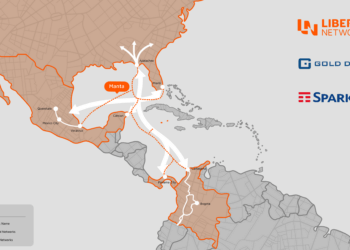
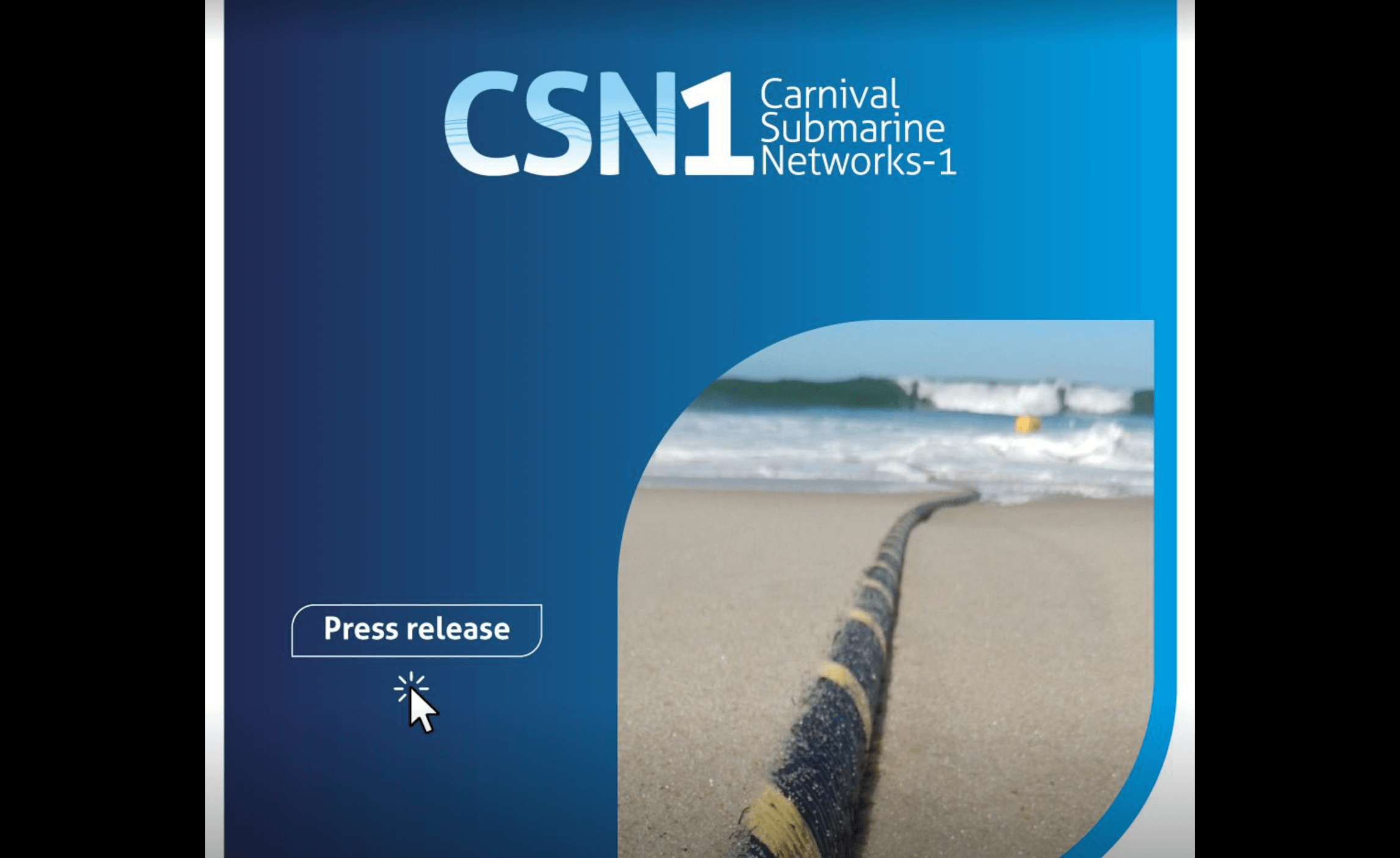
Alcatel Submarine Networks (ASN) and Telconet Latam have reached key milestones in the construction of the CSN1 submarine cable. All branching units, repeaters, and sea cables have been manufactured and are undergoing testing and assembly. The CSN1 will become the first submarine cable to land on Florida’s west coast, creating a crucial communication link between the United States, Colombia, Panama, and Ecuador. Built with Open Cable technology, the system is designed to handle increasing broadband demands and offers potential for future expansion with strategically placed branching units.
The CSN1 system is the first in Central and South America to use Open Cable technology and has already received a landing license from the Federal Communications Commission (FCC). The next phase of the project involves loading the cables and conducting marine operations, which are slated for early 2025. When complete, the CSN1 cable will span over 4,500 kilometers (2,796 miles), connecting key points across the Americas.
Alcatel Submarine Networks leads the subsea transmission industry, with over 800,000 kilometers (497,000 miles) of installed cable systems worldwide. Telconet Latam, an Ecuadorian telecommunications operator, has a vast fiber optic network of more than 100,000 kilometers (62,137 miles) and has experience in previous submarine cable consortiums, including the PCCS.
•   First submarine cable landing on Florida’s west coast.
•   4,500 km (2,796 miles) cable connecting the U.S., Colombia, Panama, and Ecuador.
•   Built with Open Cable technology for scalability and high-speed broadband.
•   FCC-approved for landing and operation in the U.S.
•   ASN has deployed 800,000 km (497,000 miles) of submarine cables globally.
•   Marine operations planned for early 2025.
“Manufacturing completion is a key step in subsea systems as it often represents the first tangible outcome of preparatory steps and marine survey results,” said Olivier Chambon, VP Projects at ASN.