The U.S. Defense Advanced Research Projects Agency (DARPA) launched an initiative called the Data Protection in Virtual Environments (DPRIVE) program which seeks to develop a hardware accelerator for Fully Homomorphic Encryption (FHE).
Fully homomorphic encryption enables users to compute on always-encrypted data, or cryptograms. The data never needs to be decrypted, reducing the potential for cyberthreats.

DPRIVE aims to design and implement a hardware accelerator for FHE computations that is capable of drastically speeding up FHE calculations, making the technology more accessible for sensitive defense applications as well as commercial use.
DARPA has selected four teams of researchers to lead the initiative: Duality Technologies, Galois, SRI International, and Intel Federal. Each team will develop an FHE accelerator hardware and software stack that reduces the computational overhead required to make FHE calculations to a speed comparable to similar unencrypted data operations. The teams will create accelerator architectures that are flexible, scalable, and programmable, but will also explore various approaches with different native word sizes. Current standard CPUs are based on 64-bit words, which are the units of data that determine a particular processor’s design. Word size directly relates to the signal-to-noise ratio of how encrypted data is stored and processed, as well as the error generated each time an FHE calculation is processed. The selected DPRIVE research teams will explore various approaches covering a diversity of word sizes – from 64 bits to thousands of bits – to solve the challenge.
In addition, teams are exploring novel approaches to memory management, flexible data structures and programming models, and formal verification methods to ensure the FHE implementation is correct-by-design and provides confidence to the user. As the co-design of FHE algorithms, hardware, and software is critical to the successful creation of the target DPRIVE accelerator, each team is bringing varied technical expertise to the program as well as in-depth knowledge on FHE.
“We currently estimate we are about a million times slower to compute in the FHE world then we are in the plaintext world. The goal of DPRIVE is to bring FHE down to the computational speeds we see in plaintext. If we are able to achieve this goal while positioning the technology to scale, DPRIVE will have a significant impact on our ability to protect and preserve data and user privacy,” concluded Rondeau.
“Fully homomorphic encryption remains the holy grail in the quest to keep data secure while in use. Despite strong advances in trusted execution environments and other confidential computing technologies to protect data while at rest and in transit, data is unencrypted during computation, opening the possibility of potential attacks at this stage. This frequently inhibits our ability to fully share and extract the maximum value out of data. We are pleased to be chosen as a technology partner by DARPA and look forward to working with them as well as Microsoft to advance this next chapter in confidential computing and unlock the promise of fully homomorphic encryption for all,” stated Rosario Cammarota, principal engineer, Intel Labs, and principal investigator, DARPA DPRIVE program.
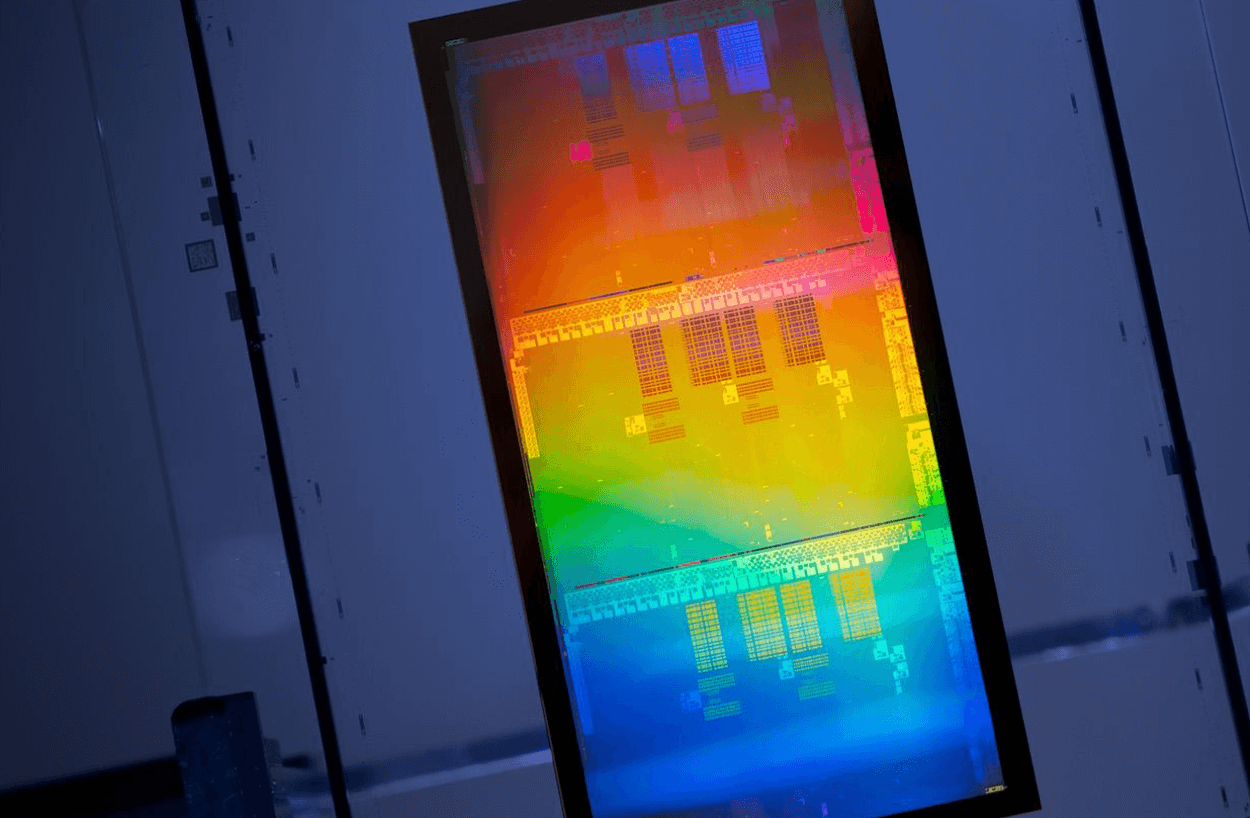
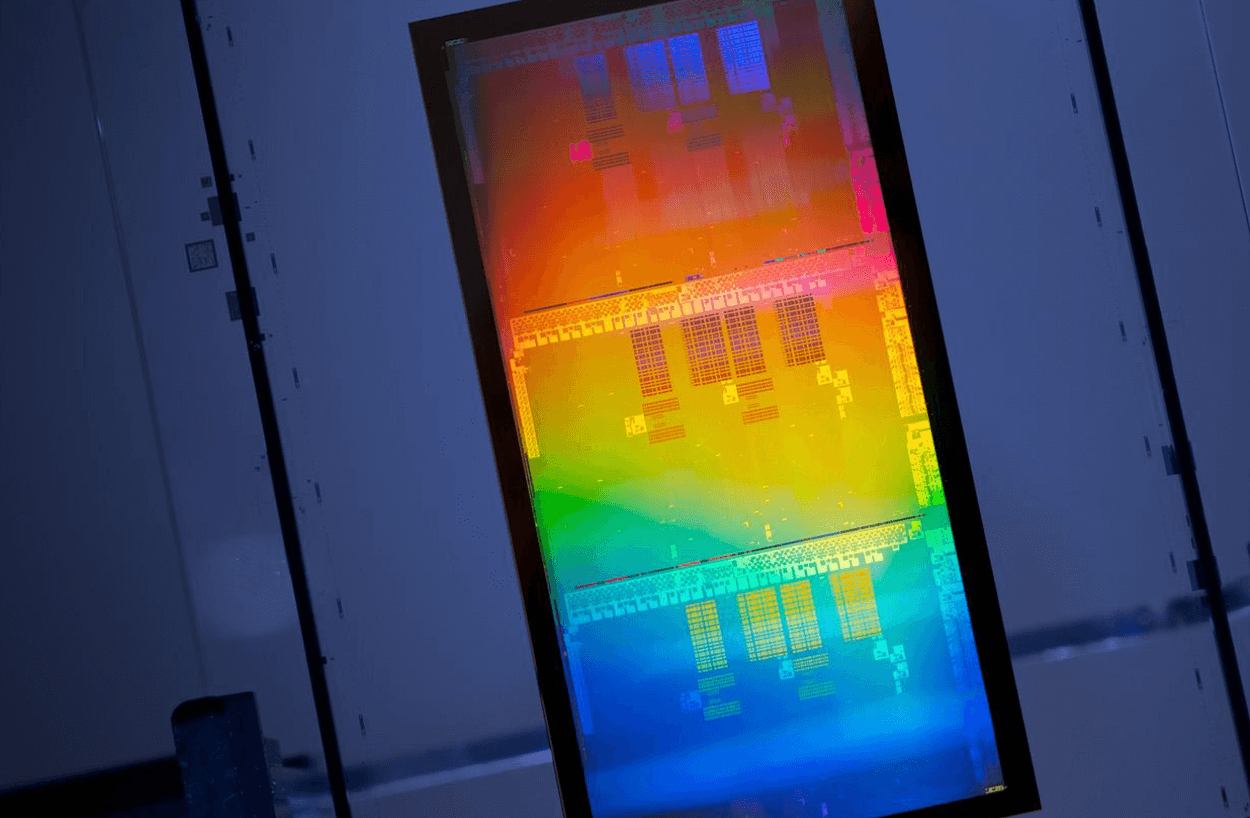
For its part, Intel says it plans to design an application-specific integrated circuit (ASIC) accelerator to reduce the performance overhead currently associated with fully homomorphic encryption. When fully realized, the accelerator could deliver a massive improvement in executing FHE workloads over existing CPU-driven systems, potentially reducing cryptograms’ processing time by five orders of magnitude.
With its expertise in cloud infrastructure, software stacks and fully homomorphic encryption, Microsoft will be a critical partner in accelerating the commercialization of this technology when ready, enabling free data sharing and collaboration while promoting privacy throughout the data life cycle.
“We are pleased to bring our expertise in cloud computing and homomorphic encryption to the DARPA DPRIVE program, collaborating with Intel to advance this transformative technology when ready into commercial usages that will help our customers close the last-mile gap in data confidentiality —– keeping data fully secure and private, whether in storage, transit or use,” said Dr. William Chappell, chief technology officer, Azure Global, and vice president, Mission Systems, Microsoft.