• Home
  • Events Calendar
  • Blueprint Guidelines
  • Privacy Policy
  • Subscribe to Daily Newsletter
  • NextGenInfra.io
No Result
View All Result
Converge Digest
Saturday, April 11, 2026
  • Home
  • Events Calendar
  • Blueprint Guidelines
  • Privacy Policy
  • Subscribe to Daily Newsletter
  • NextGenInfra.io
No Result
View All Result
Converge Digest
No Result
View All Result

Home » FCC Commissioner Abernathy: More Reforms Needed to Preserve Universal Service

FCC Commissioner Abernathy: More Reforms Needed to Preserve Universal Service

April 2, 2003
in Uncategorized
A A

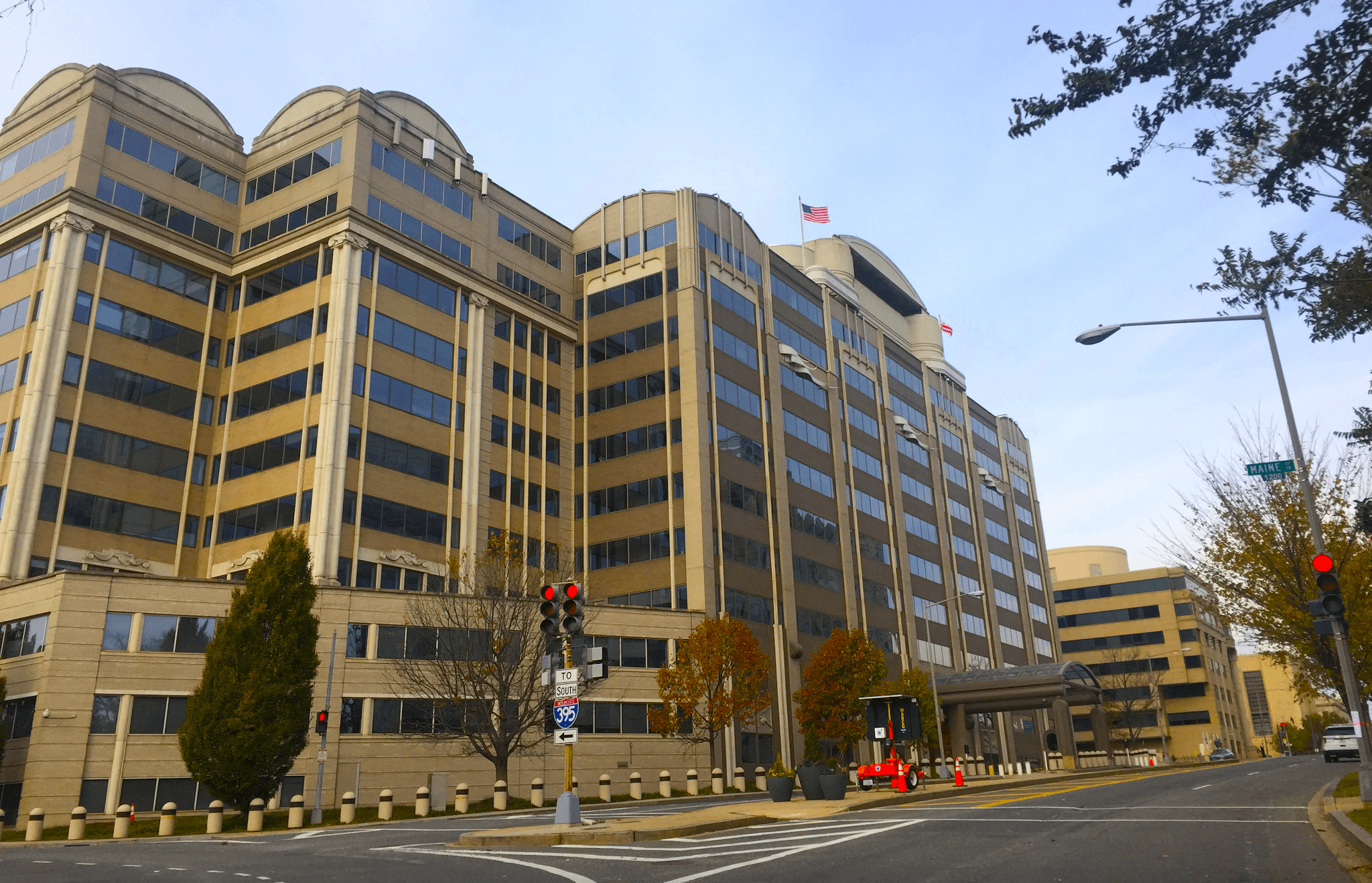
In testimony before the Senate’s Committee on Commerce, Science & Transportation, FCC Commissioner Kathleen Abernathy said more fundamental reform may be necessary to ensure the sustainability of universal service funding in the long term. The universal service funds support carriers that provide services in high-cost areas ($3.2 billion in annual cost), supports services to schools and libraries (the e-rate program, $2.25 billion), and provide discounts to ensure low-income consumers have access to basic phone service ($647 million). Currently, federal universal service contributions are assessed only on interstate revenues, which have been shrinking due to falling prices and wireless substitution. Another important trend has been the increase in bundled service plans with buckets of flat-rate, any-distance minutes. Abernathy said this trend makes it difficult to isolate revenues from interstate services and the problem is likely to get worse. In December 2002, the FCC adopted several measures to stabilize universal service funding, including increasing from 15% to 28.5% the safe harbor provision that wireless carriers may use to determine the interstate portion of their revenues. However, Abernathy said these measures may not be enough and the FCC is now considering additional proposals. These proposals include a Wireline Broadband measure that would assess contribution obligations on facilities-based providers of broadband Internet access services.
http://www.fcc.gov

  • Last year, wireline long distance companies contributed 63% of the universal service fund, while local exchange carriers and wireless carriers make up the rest.
  • In July 2002, the FCC received a recommendation that no new services should be added or removed from the definition of services supported by “universal service.�? The main issue under discussion had been whether advanced or high-speed services should be included within the list of core services supported by a federal universal service fund. A Federal-State Joint Board on Universal Service, which was composed of three state regulatory commissioners and three FCC commissioners, found that no new service satisfies the statutory criteria of the Communications Act of 1934. The Board concluded that the public interest would not be served by expanding the scope of universal service at this time. The Board reasoned that high-speed service is not “essential�? to consumers because online resources are available by voice telephone, dial-up connections and in public libraries and schools. Moreover, a substantial majority of consumers so far have chosen not to subscribe to high-speed services where they are available.


Tags: AllRegulatory
ShareTweetShare
Previous Post

Microsoft Enhances Windows CE .NET for VoIP Client Devices

Next Post

UK Regulator Proposes Price Cuts for BT Wholesale's Unmetered Dial-up Access

Staff

Staff

Related Posts

NTIA seeks pubic comment on AI regulations
Financials

NTIA seeks pubic comment on AI regulations

April 11, 2023
FCC adds $791 million in RDOF funding for broadband
Legal / Regulatory

FCC opens Space Bureau and Office of International Affairs

April 9, 2023
Uber moves from private data centers to multiple clouds
Clouds and Carriers

UK to investigate cloud infrastructure giants

April 5, 2023
FCC issues 2.5 GHz licenses from Auction 108
Financials

FCC looks to reevaluate licenses of foreign telecom operators

March 30, 2023
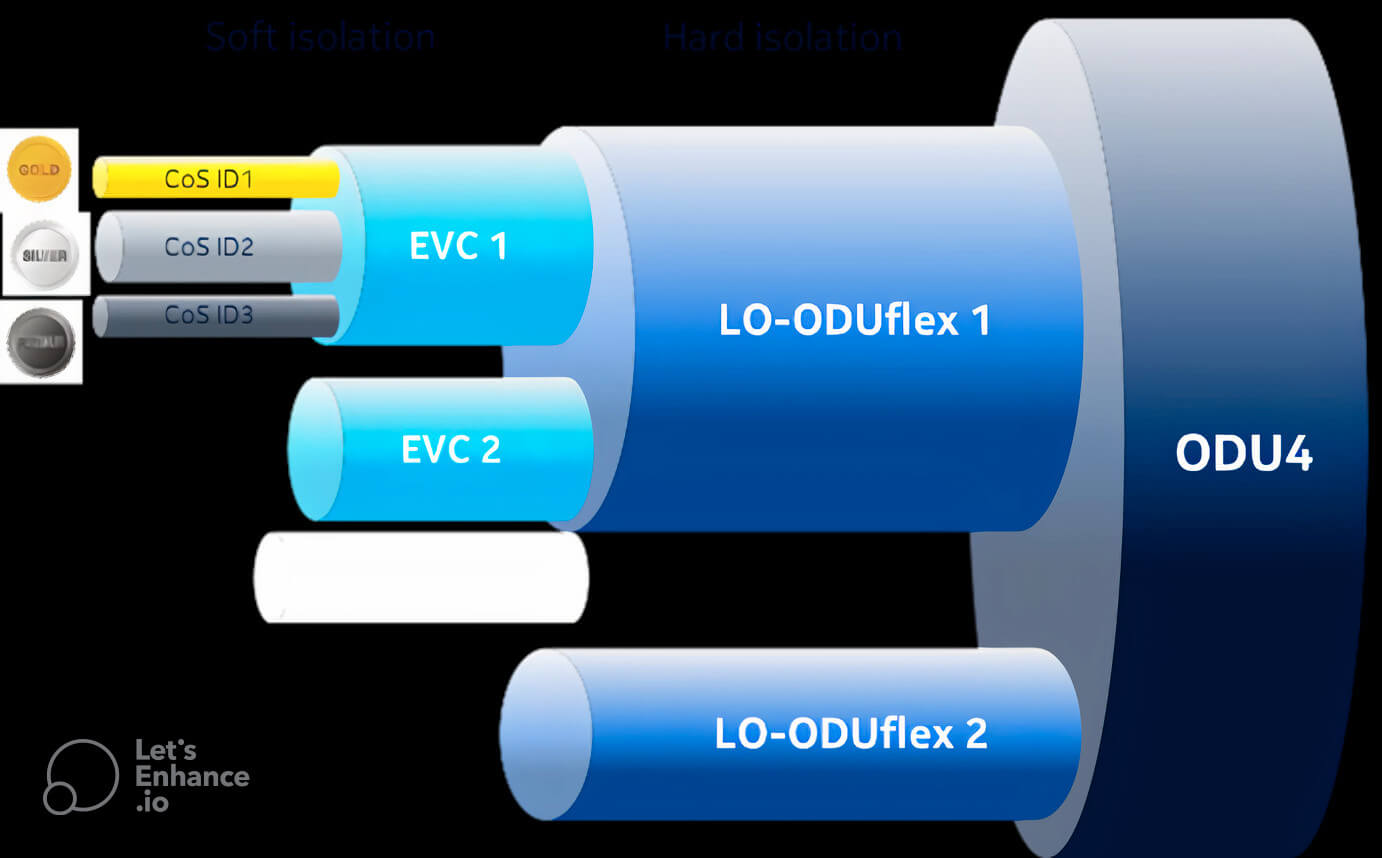
Blueprint: Building wholesale networks with OTN
All

Blueprint: Building wholesale networks with OTN

December 20, 2022
Huawei and Orange achieve 157 Tbps over 120km fiber link

Huawei and Orange achieve 157 Tbps over 120km fiber link

December 20, 2022
Next Post

THUS plc. Claims BT's DSL Wholesale Price Cuts Will Hurt Margins

Please login to join discussion

Categories

  • 5G / 6G / Wi-Fi
  • AI Infrastructure
  • All
  • Automotive Networking
  • Blueprints
  • Clouds and Carriers
  • Data Centers
  • Enterprise
  • Explainer
  • Feature
  • Financials
  • Last Mile / Middle Mile
  • Legal / Regulatory
  • Optical
  • Quantum
  • Research
  • Security
  • Semiconductors
  • Space
  • Start-ups
  • Subsea
  • Sustainability
  • Video
  • Webinars

Archives

Tags

5G All AT&T Australia AWS Blueprint columns BroadbandWireless Broadcom China Ciena Cisco Data Centers Dell'Oro Ericsson FCC Financial Financials Huawei Infinera Intel Japan Juniper Last Mile Last Mille LTE Mergers and Acquisitions Mobile NFV Nokia Optical Packet Systems PacketVoice People Regulatory Satellite SDN Service Providers Silicon Silicon Valley StandardsWatch Storage TTP UK Verizon Wi-Fi
Converge Digest

A private dossier for networking and telecoms

Follow Us

  • Home
  • Events Calendar
  • Blueprint Guidelines
  • Privacy Policy
  • Subscribe to Daily Newsletter
  • NextGenInfra.io

© 2025 Converge Digest - A private dossier for networking and telecoms.

No Result
View All Result
  • Home
  • Events Calendar
  • Blueprint Guidelines
  • Privacy Policy
  • Subscribe to Daily Newsletter
  • NextGenInfra.io

© 2025 Converge Digest - A private dossier for networking and telecoms.

This website uses cookies. By continuing to use this website you are giving consent to cookies being used. Visit our Privacy and Cookie Policy.
Go to mobile version