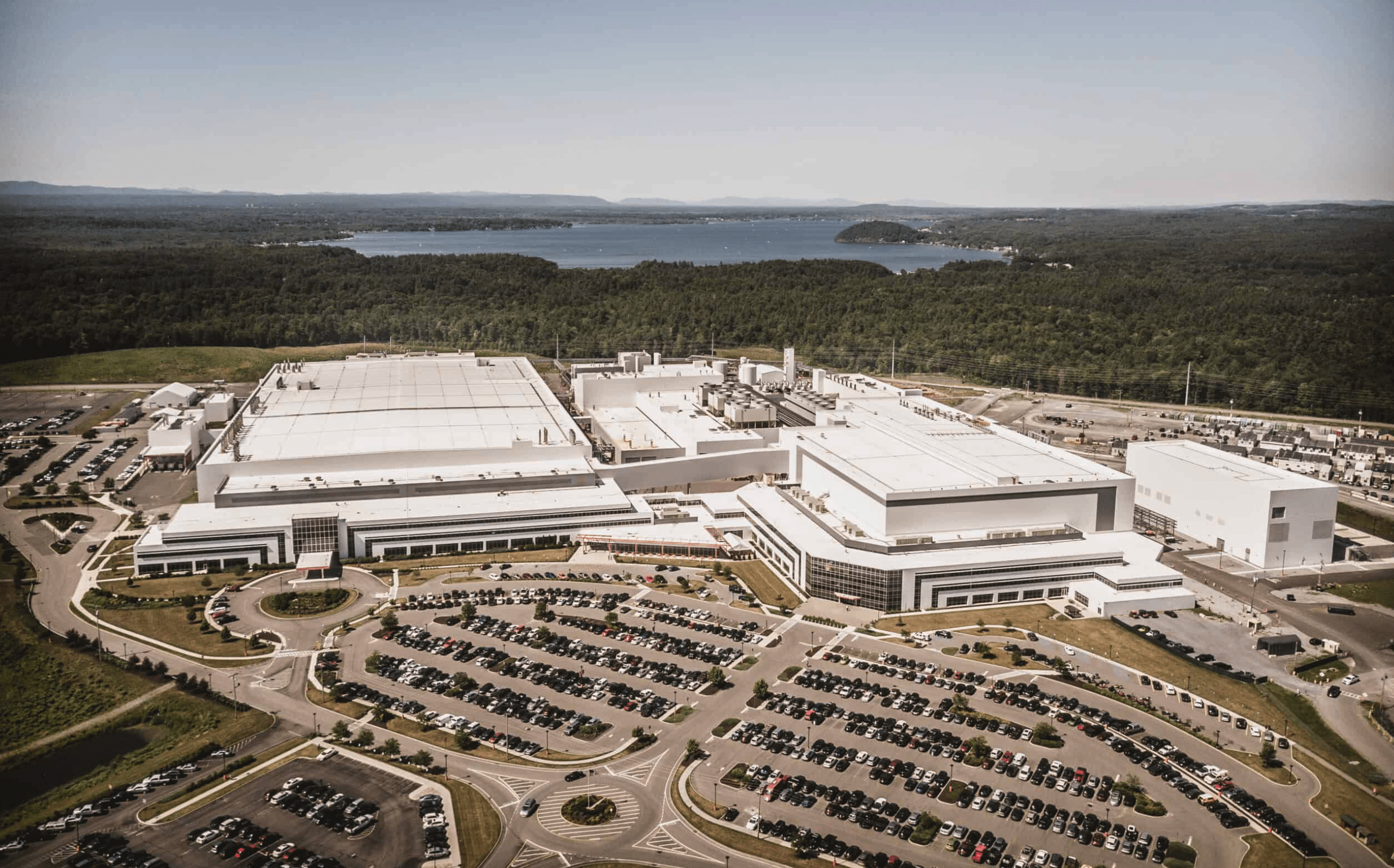
GlobalFoundries (Nasdaq: GFS) closed its acquisition of MIPS, a long-time provider of processor and AI intellectual property, in a move designed to strengthen its position in differentiated semiconductor manufacturing. The deal brings processor IP innovation under GF’s umbrella to complement its advanced silicon processes.
MIPS will continue to operate as a standalone business unit within GF, retaining its licensing model and broad customer base. GF said the integration will give it greater ability to deliver energy-efficient, high-performance solutions in AI, edge computing, and emerging compute-intensive markets. The acquisition also brings in experienced engineering talent as GF seeks to expand its capabilities across next-generation workloads.
The companies said the combination aligns decades of processor IP expertise with GF’s manufacturing scale. MIPS customers across sectors such as automotive, networking, and consumer technology will continue to be supported under the same model while benefiting from GF’s long-term technology roadmap.
- MIPS technology to continue under a standalone licensing model
- Acquisition strengthens GF’s differentiated AI and edge compute portfolio
- Adds processor IP talent and innovation to GF’s global engineering base
- GF expands its strategy beyond foundry into integrated compute solutions
“Our acquisition of MIPS marks a significant step forward as we expand our IP portfolio and strengthen our ability to deliver energy-efficient, high-performance compute platforms,” said GlobalFoundries.
🌐 Analysis
MIPS has one of the longest legacies in processor IP, tracing its origins to Stanford University in the early 1980s. Founded by John Hennessy, who later became president of Stanford and chairman of Alphabet, MIPS pioneered Reduced Instruction Set Computing (RISC) architectures. Early MIPS processors powered Silicon Graphics (SGI) workstations in the 1990s, influencing the rise of 3D graphics and visual computing. Over the decades, MIPS cores became widely licensed for embedded systems, networking equipment, and consumer electronics.
MIPS competed directly with ARM, SPARC, and PowerPC architectures. While ARM grew dominant in mobile, MIPS maintained a loyal base in digital consumer devices, routers, and set-top boxes. The company went through multiple ownership changes, including Imagination Technologies, Tallwood Venture Capital, and Wave Computing (later renamed MIPS). In recent years, MIPS shifted its focus to AI-optimized and open RISC-V-based designs, seeking to re-establish itself in next-generation compute.
By acquiring MIPS, GlobalFoundries gains a rich IP portfolio, brand recognition, and a bridge into processor-level innovation—an unusual move for a pure-play foundry. It positions GF closer to an integrated model, similar to how TSMC has strengthened ecosystem partnerships around IP and packaging. For the industry, this marks a strategic attempt to blend manufacturing with processor architecture know-how, potentially unlocking more tailored solutions for automotive, AI, and edge computing markets where efficiency is as critical as performance.
🌐 We’re tracking the latest developments in networking silicon. Follow our ongoing coverage at: https://convergedigest.com/category/semiconductors/