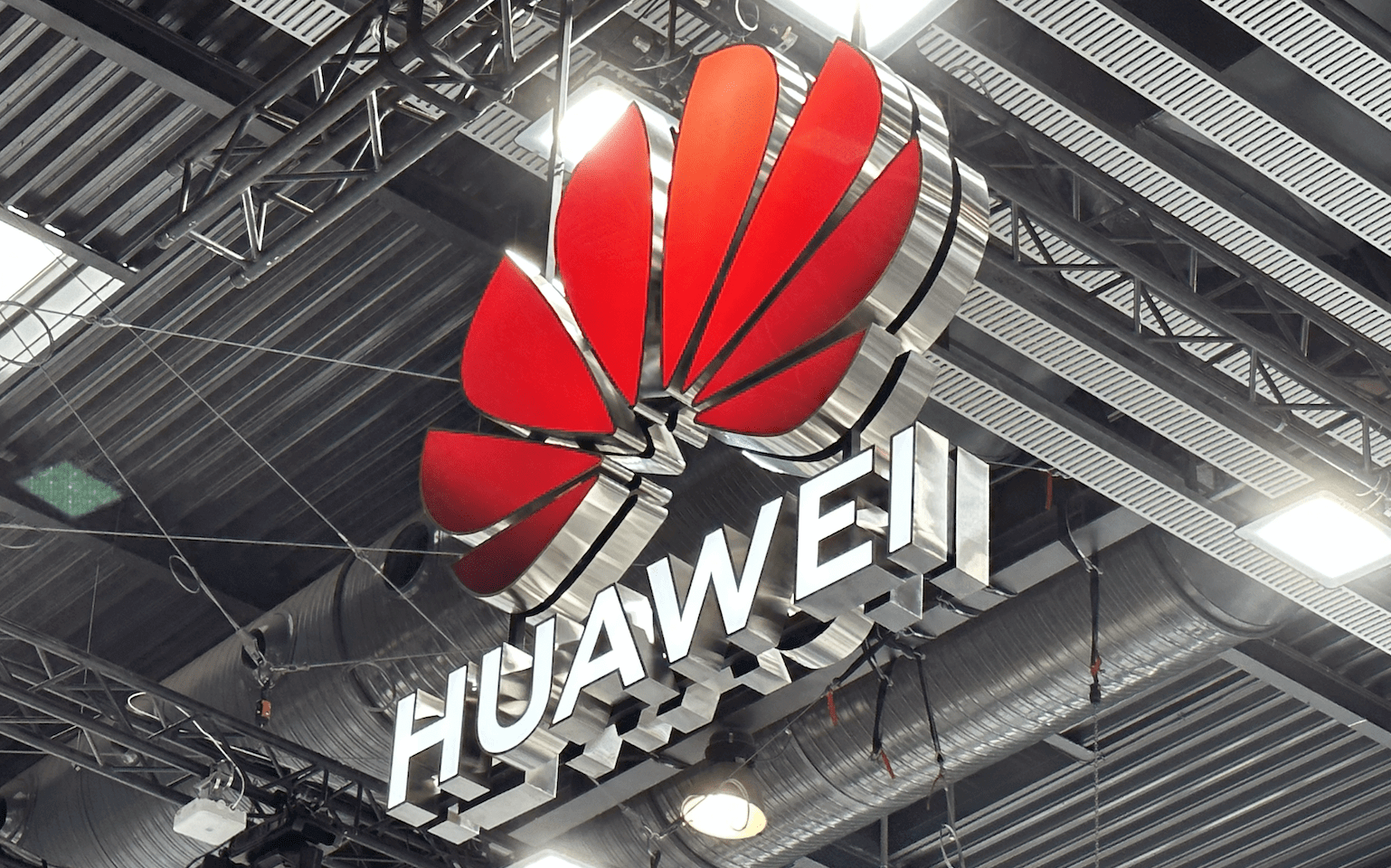
Huawei used its Optical Summit at HUAWEI CONNECT 2025 in Shanghai to launch the F5G Advanced (F5G-A) product series and highlight ten global all-optical network showcases. The company said fiber networks are becoming the foundation for AI adoption across industries, with more than 2,000 enterprises already relying on them for digital and intelligent transformation. The theme of the event, “No Fiber, No AI,” underscored Huawei’s push to link optical connectivity with inclusive AI.
The F5G-A solution refers to F5G Advanced, Huawei’s latest evolution of fixed optical networking technologies. It builds on the ITU-T’s F5G (Fifth-Generation Fixed Networks) standards but extends them with innovations tailored for the AI era.
Huawei frames F5G-A as a foundation for inclusive AI, meaning it provides the high bandwidth, low latency, high reliability, and sensing capabilities needed for AI-driven applications in many industries. It combines fiber-to-everywhere connectivity with intelligent optical terminals and sensing functions.
Key elements of the F5G-A solution include:
- Symmetric 50G PON – very high-capacity passive optical network technology for campuses and enterprises.
- Wi-Fi 7 Optical APs – combining communications and sensing for smart spaces.
- Zero-roaming Optical APs – seamless handover in mobility scenarios (e.g., hospitals).
- AI-interference-resistant Wi-Fi 7 ONTs – for 10G home broadband and smart home services.
- Fiber Sensing for Pipelines – real-time AI-driven inspection with meter-level accuracy.
- Edge Computing Units – for predictive analytics in distributed energy systems.
The new F5G-A solutions target several sectors. In power systems, Huawei introduced edge computing boards for real-time detection and predictive analytics in distributed energy networks. For home broadband, the company launched a Wi-Fi 7 ONT resistant to AI interference and added AI-driven FTTR features such as 2D-to-3D video conversion and voice interaction. In campus networks, Huawei rolled out the industry’s first symmetric 50G PON ONU, a zero-roaming optical AP, and a Wi-Fi 7 optical AP with integrated sensing. In oil and gas, Huawei’s updated fiber sensing solution improves pigging inspection accuracy and efficiency with AI.
The ten showcases unveiled include projects at Shanghai Jiao Tong University School of Medicine, Wuliangye Group, Shenzhen Nanshan People’s Hospital, Wuhan City Optical Network, Beijing Subway Line 1, Brazil GIGA+, and South African Railways PRASA. These span government, transportation, power, healthcare, education, and manufacturing, positioning all-optical networking as a key enabler of AI across industries worldwide.
“All-optical networks are at the heart of inclusive AI, driving adoption for thousands of enterprises worldwide,” said Kim Jin, Vice President of Huawei Optical Business Product Line.
🌐 Analysis: Huawei is linking optical networking directly to AI infrastructure, expanding its scope from DCIs to smart grids, campuses, and industrial sensing. The announcements arrive as other vendors, including Nokia, Ciena, and ZTE, are also advancing optical platforms to meet AI-era demands. Huawei’s strategy emphasizes broad deployment scenarios, aiming to make fiber a universal enabler of AI transformation.
🌐 We’re tracking the latest developments at ECOC25 in Copenhagen. Follow our ongoing coverage at https://convergedigest.com/tag/ecoc25/