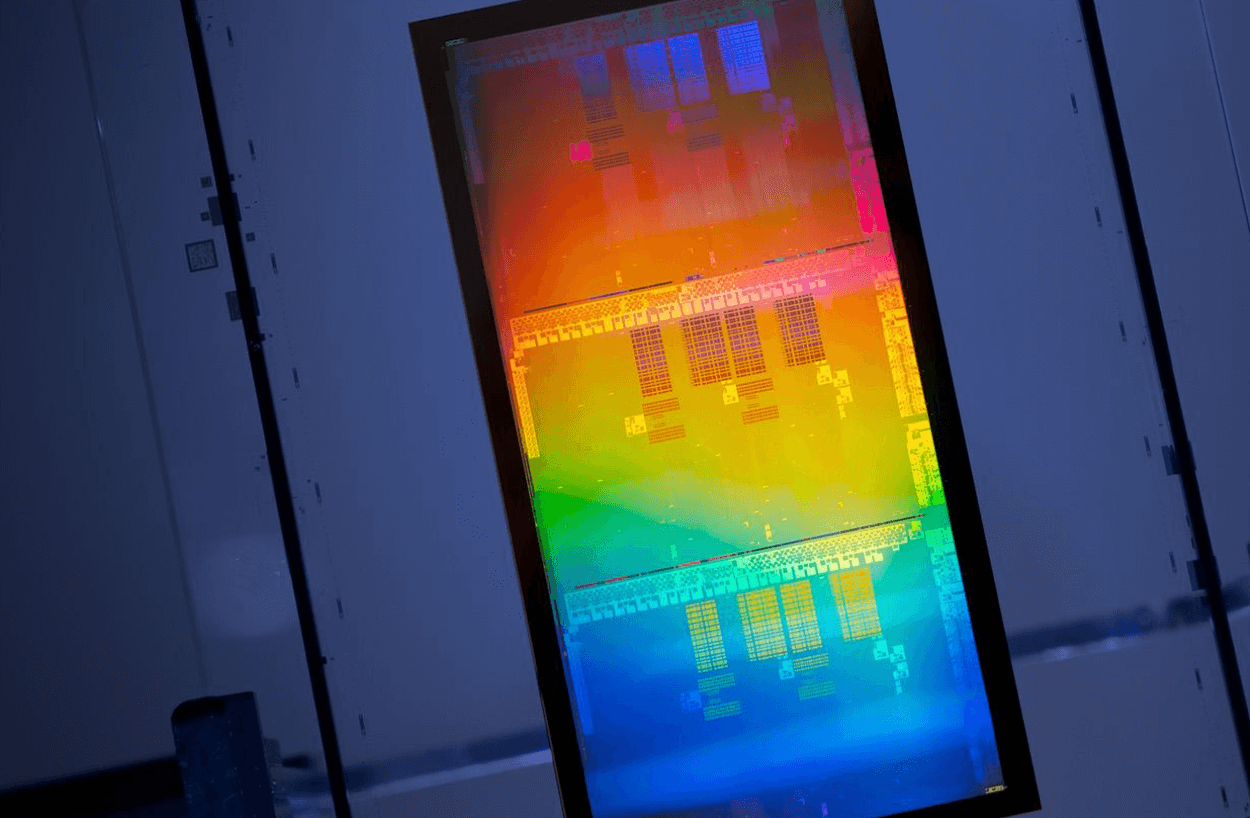
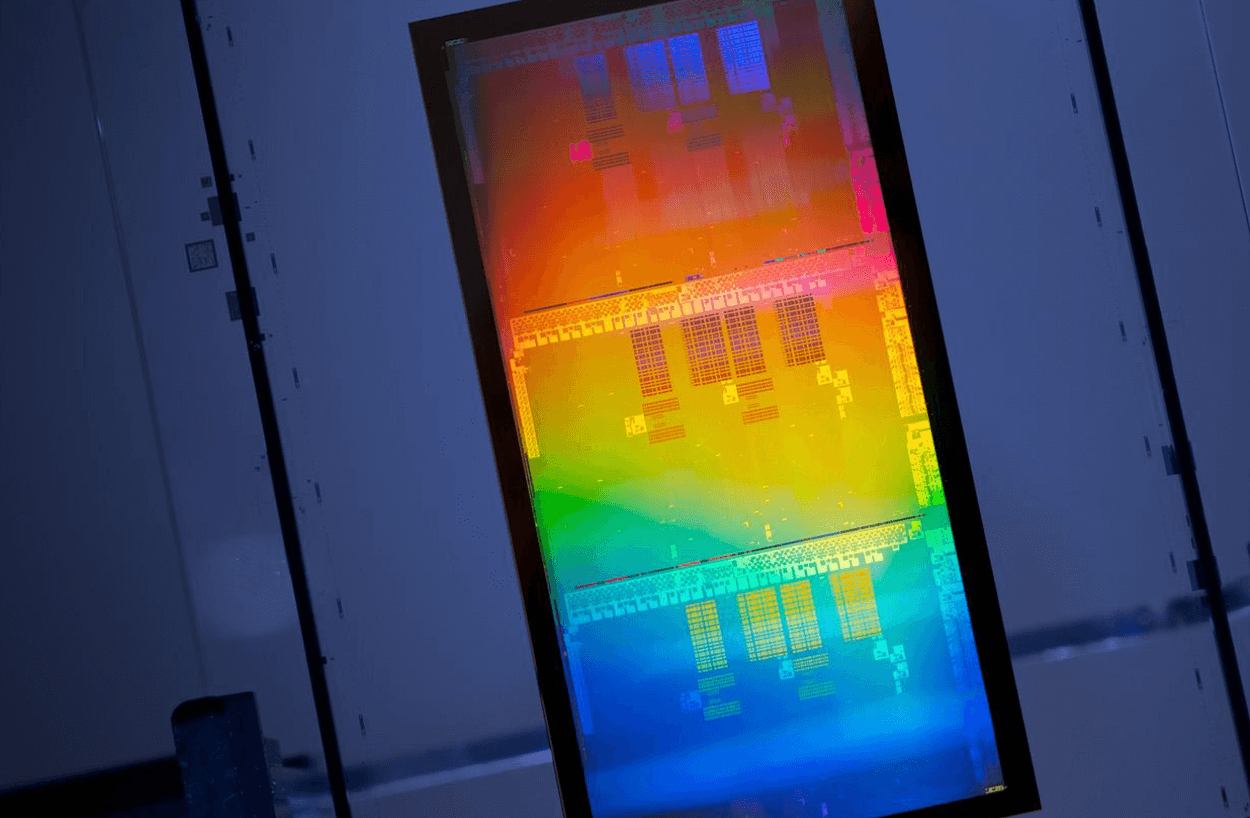
Intel conducted the first public “powered-on” demonstration of its Omni-Path Architecture, a next-generation fabric technology for high performance computing (HPC) clusters.
 The demonstration, conducted at the ISC2015 show in Frankfurt, featured Intel Omni-Path Architecture (Intel OPA), an end-to-end solution, including PCIe* adapters, silicon, switches, cables, and management software, that builds on the existing Intel True Scale Fabric and Infiniband. Intel OPA was designed to address the challenge that processor capacity and memory bandwidth have been scaling faster than system I/O. It accelerates the message passing interface (MPI) rates in next gen systems. Intel OPA also promises the ability to scale to tens — and eventually hundreds — of thousands of nodes.
Intel Omni-Path Architecture uses technologies acquired from both QLogic and Cray, as well as Intel-developed technologies. In the near future, Intel says it will integrate the Intel Omni-Path Host Fabric Interface onto future generations of Intel Xeon processors and Intel Xeon Phi processors.
Intel also announced new a collaboration with HP to develop purpose-built HP Apollo systems designed to expand the use of HPC solutions to enterprises of all sizes. The purpose built HP Apollo compute platforms will utilize the Intel HPC scalable system framework, including next generation Intel Xeon processors, the Intel Xeon Phi product family, Intel Omni-Path Architecture and the Intel Enterprise Edition of Lustre software.
 In April 2015, Intel and Cray were selected to build two next generation, high-performance computing (HPC) systems that will be five to seven times more powerful than the fastest supercomputers today.
Intel will serve as prime contractor to deliver the supercomputers for the U.S. Department of Energy’s (DOE) Argonne Leadership Computing Facility (ALCF). The Aurora system will be based on Intel’s HPC scalable system framework and will be a next-generation Cray “Shasta” supercomputer. Intel said the Aurora system will be delivered in 2018 and have a peak performance of 180 petaflops, making it the world’s most powerful system currently announced to date. Aurora will use future generations of Intel Xeon Phi processors and the Intel Omni-Path Fabric high-speed interconnect technology, a new non-volatile memory architecture and advanced file system storage using Intel Lustre software.
In November 2014, Intel confirmed that its third-generation Intel Xeon Phi product family, code-named Knights Hill, will be built using 10nm process technology and that it will integrate Intel Omni-Path Fabric technology. Knights Hill will follow the upcoming Knights Landing product, with first commercial systems based on Knights Landing expected to begin shipping next year.
Intel also disclosed that its Intel Omni-Path Architecture will achieve 100 Gbps line speed and up to 56 percent lower switch fabric latency in medium-to-large clusters than InfiniBand alternatives. The architecture targets a 48 port switch chip compared to the current 36 port InfiniBand alternatives. This will reduce the number of switches required in HPC clusters.