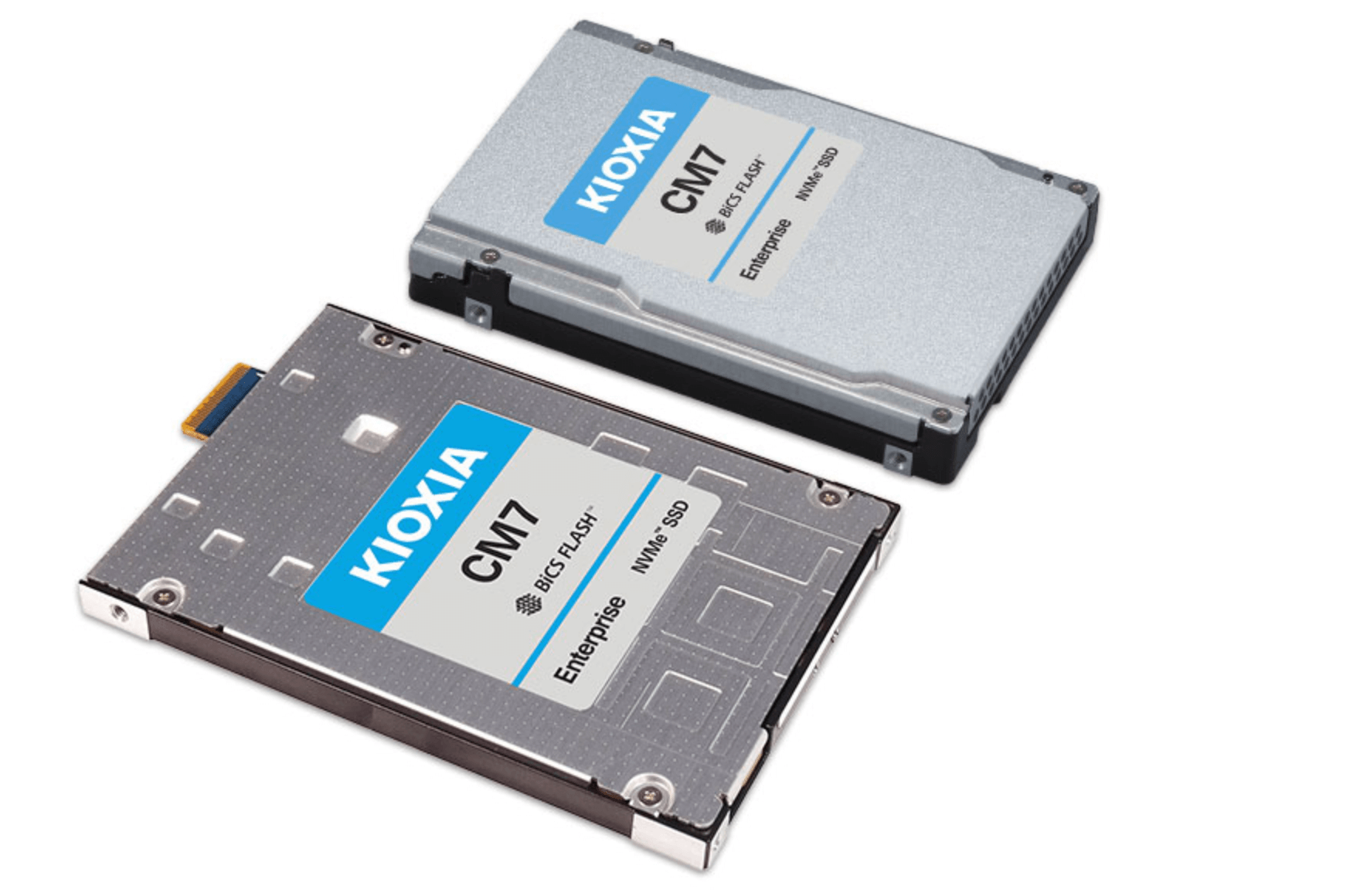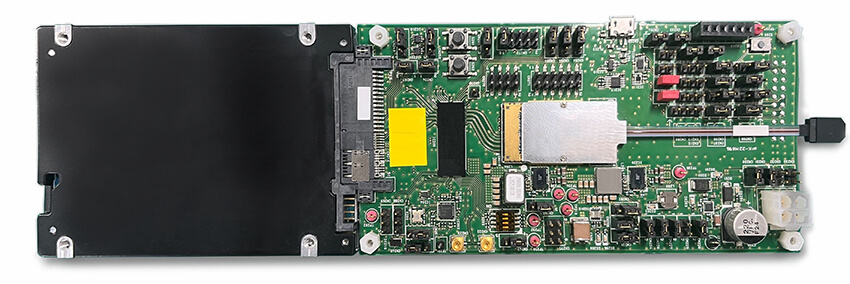
Kioxia Corporation, in collaboration with AIO Core and Kyocera, has unveiled a prototype of a PCIe® 5.0-compatible broadband optical SSD designed to meet the demands of high-bandwidth, AI-driven workloads. The prototype leverages optical interconnects instead of traditional electrical interfaces to enable faster, more energy-efficient data transfers over longer distances—key for emerging generative AI and hyperscale data center applications. This prototype achieves full PCIe 5.0 operation, doubling the bandwidth over the previous PCIe 4.0 generation.
The broadband optical SSD integrates AIO Core’s IOCore® optical transceiver with Kyocera’s OPTINITY® optoelectronic integration module. This combination supports high-speed, low-latency communication between compute and storage components across increased physical separation, making it ideal for disaggregated infrastructure and advanced system architectures. The project is part of Japan’s “Next Generation Green Data Center Technology Development” initiative, funded by NEDO (New Energy and Industrial Technology Development Organization), with a goal to reduce data center energy consumption by over 40% through next-gen digital infrastructure technologies.
By replacing copper with optical signaling in storage interfaces, the broadband optical SSD concept enhances system flexibility and enables future green data center designs. It aligns with the global shift toward scalable, energy-aware architectures capable of supporting massive, real-time data processing needs in generative AI, HPC, and other high-volume compute environments.
• Prototype Overview:
• PCIe® 5.0-compatible broadband optical SSD
• Achieves 2x bandwidth vs. PCIe 4.0 SSDs
• Supports high-speed operation using optical links
• Technology Integration:
• AIO Core’s IOCore® optical transceiver
• Kyocera’s OPTINITY® optoelectronic integration module
• Enables longer physical distances between storage and compute
• Project and Sustainability Goals:
• Developed under Japan’s NEDO-funded Green Innovation Fund
• Aims for >40% energy savings in next-generation data centers
• Designed for disaggregated architectures supporting generative AI workloads
“By combining optical interconnects with SSD technology, this innovation enables the physical separation of compute and storage while maintaining signal integrity, bandwidth, and energy efficiency,” said a spokesperson from Kioxia.