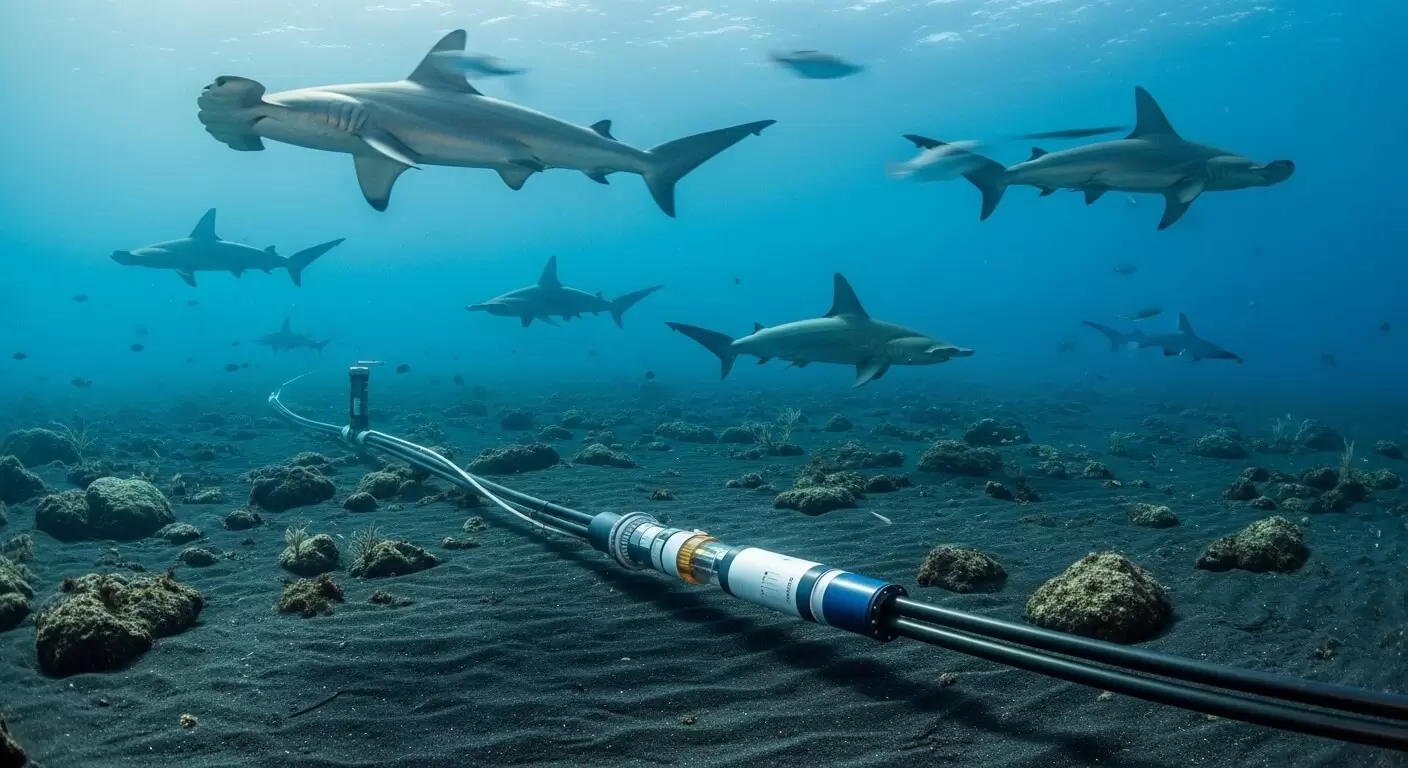
Multiple subsea fiber optic cables in the Red Sea suffered simultaneous cuts on September 6, 2025, disrupting global internet and communications traffic. The incident began at 05:45 UTC and has forced operators to reroute traffic between Asia, the Middle East, and Europe over alternate paths. While connectivity remains available, rerouting has resulted in increased latency and congestion on key routes.
Operators confirmed that several international cables were impacted, though the specific systems were not immediately disclosed. Repair timelines for subsea cable faults often extend over weeks due to the logistical challenges of mobilizing cable repair ships and securing permits in politically sensitive waters like the Red Sea. For now, engineering teams are rebalancing traffic across diverse routes and seeking alternate capacity through regional providers to minimize disruption.
The Red Sea is a critical chokepoint for global connectivity, carrying a large share of Asia–Europe traffic through submarine cables that link the Mediterranean with the Indian Ocean. The scale of this outage underscores the region’s vulnerability to geopolitical instability, maritime activity, and accidental or deliberate damage.
• Multiple subsea fiber cuts detected in the Red Sea on 6 September 2025
• Traffic between Asia, the Middle East, and Europe rerouted over alternate paths
• Customers may experience increased latency and congestion
• Subsea cable repairs typically take weeks due to ship logistics and permitting
• Operators are monitoring and rebalancing traffic daily while securing alternate capacity
“We are actively managing the interruption via diverse capacity and traffic rerouting, while also discussing alternate capacity options and providers in the region,” the advisory stated.
🌐 Analysis: The Red Sea is one of the world’s most strategic subsea corridors, with over a dozen major systems transiting the Suez region. Recent disruptions in 2023 and 2024 highlighted the fragility of this chokepoint, prompting renewed investment in alternate routes such as the India–Europe Middle East corridor via land cables and new systems bypassing the Red Sea. The latest cuts are likely to intensify calls for geographic diversification of subsea infrastructure and accelerated repair coordination across operators.
🌐 We’re tracking the latest developments in subsea cable infrastructure, policy, and deployments. Follow our ongoing coverage at: https://convergedigest.com/category/subsea/