• Home
  • Events Calendar
  • Blueprint Guidelines
  • Privacy Policy
  • Subscribe to Daily Newsletter
  • NextGenInfra.io
No Result
View All Result
Converge Digest
Saturday, April 11, 2026
  • Home
  • Events Calendar
  • Blueprint Guidelines
  • Privacy Policy
  • Subscribe to Daily Newsletter
  • NextGenInfra.io
No Result
View All Result
Converge Digest
No Result
View All Result

Home » New H.266/VVC codec improves efficiency by 50%

New H.266/VVC codec improves efficiency by 50%

July 9, 2020
in All
A A

After devoting several years to its research and standardization, Fraunhofer HHI, together with partners including Apple, Ericsson, Intel, Huawei, Microsoft, Qualcomm, and Sony, announced the release of H.266/Versatile Video Coding (VVC).

The new H.266/VVC global video coding standard reduces bandwidth requirements by around 50% relative to the previous standard H.265/High Efficiency Video Coding (HEVC) without compromising visual quality.

H.266/VVC provides efficient transmission and storage of all video resolutions from SD to HD up to 4K and 8K, while supporting high dynamic range video and omnidirectional 360° video.

Fraunhofer HHI said H.266/VVC represents the pinnacle of (at least) four generations of international standards for video coding. The previous standards H.264/Advanced Video Coding (AVC) and H.265/HEVC, which were produced with substantial contributions from Fraunhofer HHI, remain active in more than 10 billion end devices, processing over 90% of the total global volume of video bits.

As an example of improved efficiency, the previous standard H.265/HEVC requires ca. 10 gigabytes of data to transmit a 90-min UHD video. H.266/VVC requires only 5 gigabytes of data to achieve the same quality. Because H.266/VVC was developed with ultra-high-resolution video content in mind, the new standard is particularly beneficial when streaming 4K or 8K videos.

“After dedicating almost three years toward this standard, we are proud to have been instrumental in developing H.266/VVC,” says Benjamin Bross, head of the Video Coding Systems group at Fraunhofer HHI and editor of the +500-page standard specification of H.266/VVC. “Because of the quantum leap in coding efficiency offered by H.266/VVC, the use of video will increase further worldwide. Moreover, the increased versatility of H.266/VVC makes its use more attractive for a broader range of applications related to the transmission and storage of video.”

“If you consider that Fraunhofer HHI already played a key role in the development of the previous video coding standards H.264/AVC and H.265/HEVC, then we are happy with the fact that more than 50% of the bits on the Internet are generated by a Fraunhofer HHI technology,” adds Dr. Detlev Marpe, head of the Video Coding and Analytics department at Fraunhofer HHI.

A uniform and transparent licensing model based on the FRAND principle (i.e., fair, reasonable, and non-discriminatory) is planned to be established for the use of standard essential patents related to H.266/VVC.

https://newsletter.fraunhofer.de/-viewonline2/17386/465/11/14SHcBTt/V44RELLZBp/1

Tags: Blueprint columnsCodecsFranhoferGermanyStandards
ShareTweetShare
Previous Post

Verizon cites progress with 5G Standalone Core

Next Post

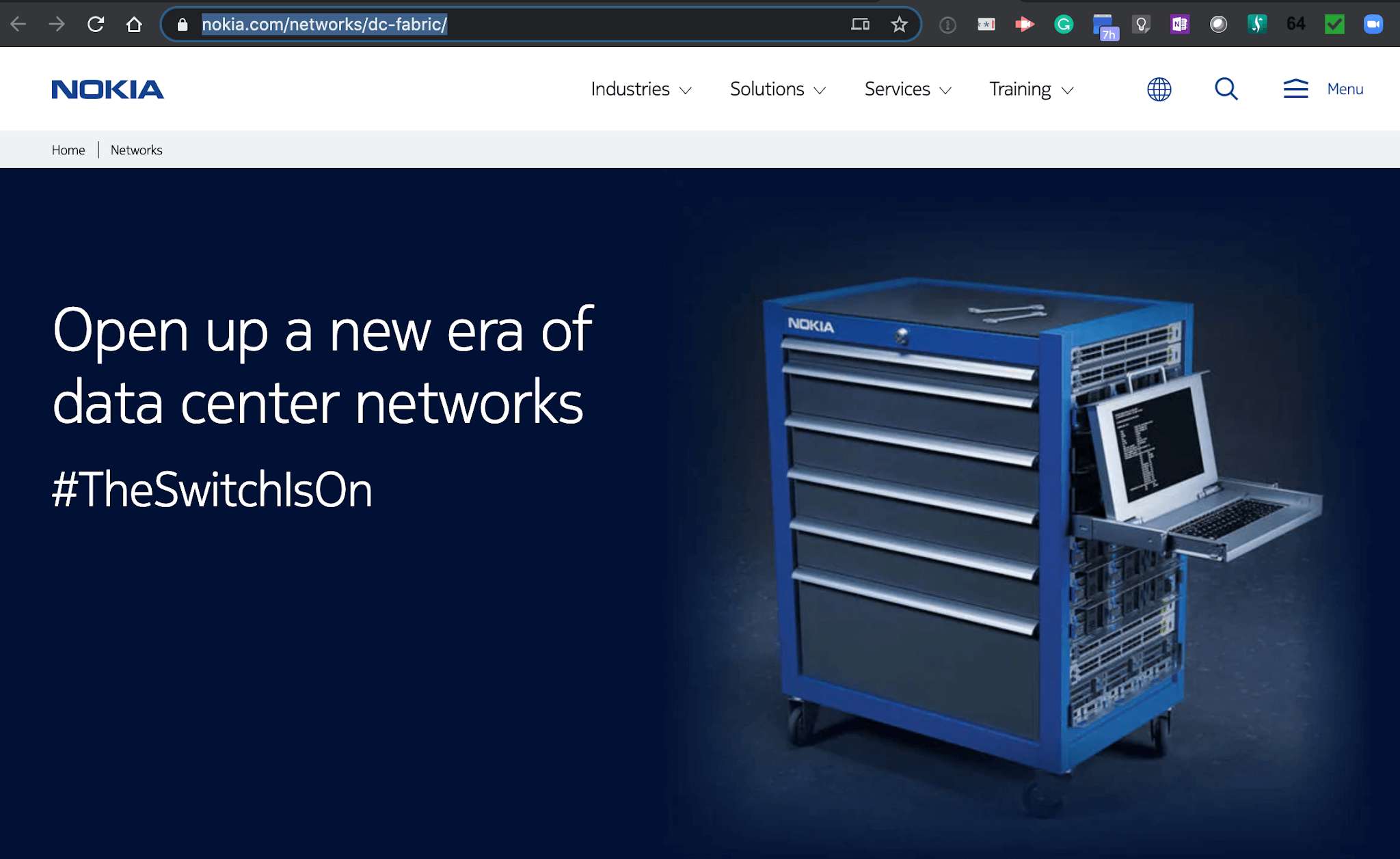
Nokia’s Fabric Service Platform was co-developed with Apple

Staff

Staff

Related Posts

BerryComm Expands Central Indiana Fiber with Nokia
5G / 6G / Wi-Fi

Telefónica Germany Awards Nokia a 5-Year RAN Modernization Deal

November 26, 2025
T-Systems signs MoU with Shell Gas & Power
Clouds and Carriers

Deutsche Telekom: Network Investments Reshape Q3 2025 Performance

November 13, 2025
Vodafone, AST SpaceMobile Pick Germany for EU Sovereign Direct-to-Mobile Satellite Hub
Space

Vodafone, AST SpaceMobile Pick Germany for EU Sovereign Direct-to-Mobile Satellite Hub

November 7, 2025
Deutsche Telekom Looks to NVIDIA for €1B Industrial AI Cloud
AI Infrastructure

Deutsche Telekom Looks to NVIDIA for €1B Industrial AI Cloud

November 6, 2025
Astera Labs Expands PCIe 6.x Interoperability Testing
Optical

Astera Labs Acquires aiXscale Photonics to Advance Optical Chiplet Integration 

October 22, 2025
DT Raises 2025 Outlook Amid Strong U.S. Momentum, AI Strategy, and FTTH
Clouds and Carriers

DT Raises 2025 Outlook Amid Strong U.S. Momentum, AI Strategy, and FTTH

August 7, 2025
Next Post
Nokia’s Fabric Service Platform was co-developed with Apple

Nokia's Fabric Service Platform was co-developed with Apple

Please login to join discussion

Categories

  • 5G / 6G / Wi-Fi
  • AI Infrastructure
  • All
  • Automotive Networking
  • Blueprints
  • Clouds and Carriers
  • Data Centers
  • Enterprise
  • Explainer
  • Feature
  • Financials
  • Last Mile / Middle Mile
  • Legal / Regulatory
  • Optical
  • Quantum
  • Research
  • Security
  • Semiconductors
  • Space
  • Start-ups
  • Subsea
  • Sustainability
  • Video
  • Webinars

Archives

Tags

5G All AT&T Australia AWS Blueprint columns BroadbandWireless Broadcom China Ciena Cisco Data Centers Dell'Oro Ericsson FCC Financial Financials Huawei Infinera Intel Japan Juniper Last Mile Last Mille LTE Mergers and Acquisitions Mobile NFV Nokia Optical Packet Systems PacketVoice People Regulatory Satellite SDN Service Providers Silicon Silicon Valley StandardsWatch Storage TTP UK Verizon Wi-Fi
Converge Digest

A private dossier for networking and telecoms

Follow Us

  • Home
  • Events Calendar
  • Blueprint Guidelines
  • Privacy Policy
  • Subscribe to Daily Newsletter
  • NextGenInfra.io

© 2025 Converge Digest - A private dossier for networking and telecoms.

No Result
View All Result
  • Home
  • Events Calendar
  • Blueprint Guidelines
  • Privacy Policy
  • Subscribe to Daily Newsletter
  • NextGenInfra.io

© 2025 Converge Digest - A private dossier for networking and telecoms.

This website uses cookies. By continuing to use this website you are giving consent to cookies being used. Visit our Privacy and Cookie Policy.
Go to mobile version