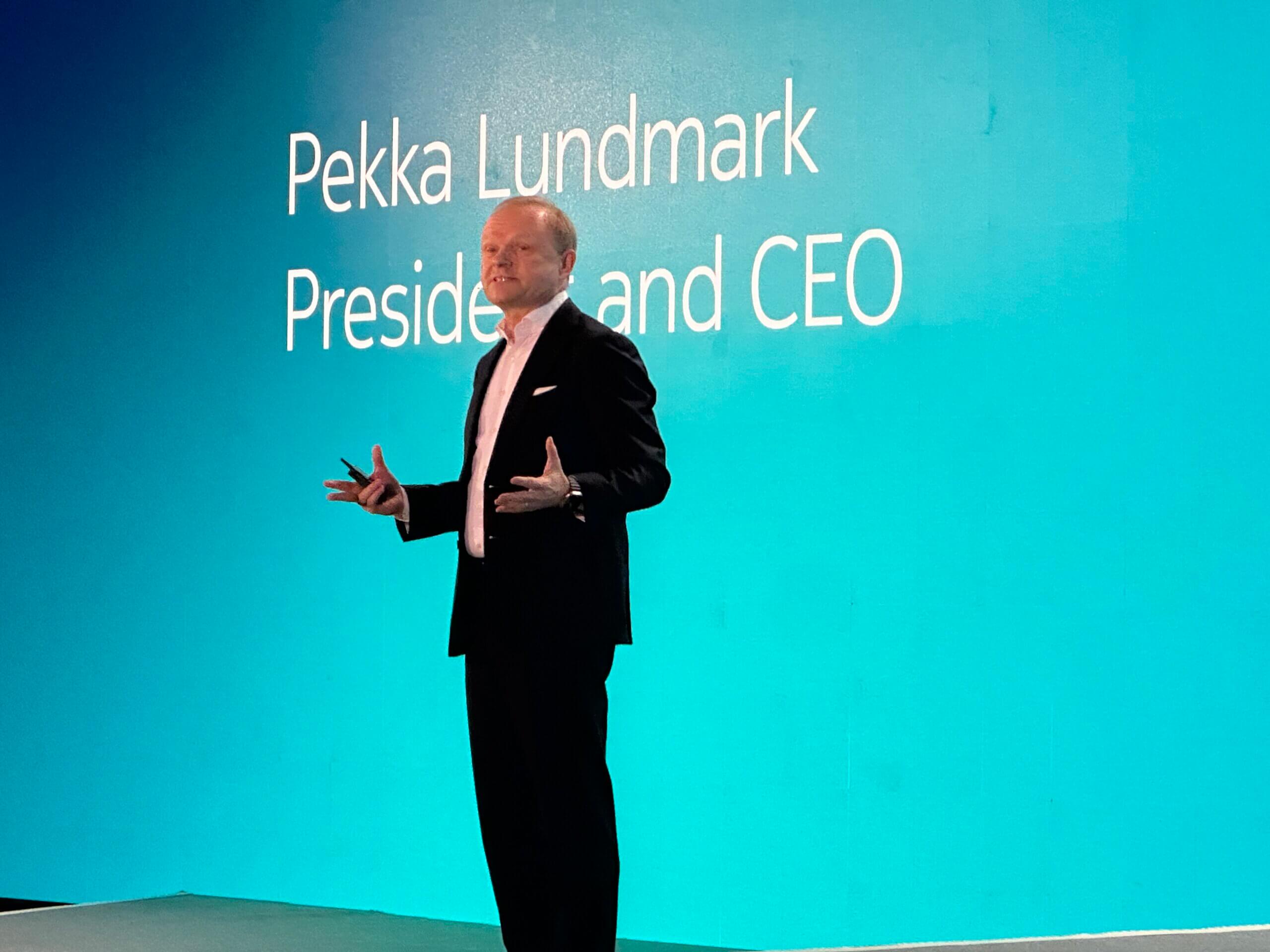
Regaining technology leadership is the most significant achievement of his tenure as President and CEO of Nokia, said Pekka Lundmark, speaking at an industry event on the eve of MWC25 in Barcelona. Five years ago, the technology leadership of the company was in doubt, said Lundmark, but now the company feels it has a strong technical footing and market strength not only in 5GSA but also in network infrastructure, cloud and optics, especially with the recently-completed acquisition of Infinera.
In his address Lundmark highlighted several key initiatives and strategic directions:
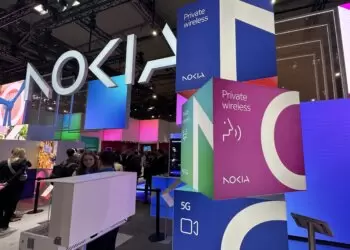
• Expanded Presence and Partnerships: At MWC25, Nokia has diversified its investment beyond its own stand to include a presence in 20 partner booths, emphasizing the importance of collaborations in the industry.
• Trusted Connectivity: Lundmark underscored that reliable connectivity is foundational for harnessing the benefits of AI, cloud, and digitalization.
• Supporting Service Providers: Nokia aims to enhance service providers’ capabilities in monetization, network management, and cost reduction through:
• Cloudification: Transitioning network components to the cloud for scalability and responsiveness, exemplified by a recent collaboration with Bell Canada.
• Automation: Implementing AI-driven solutions to optimize network performance and reduce operational expenses, including advancements in network slicing.
• Interoperability: Ensuring network components from various vendors work seamlessly, as demonstrated by a deal with Deutsche Telekom.
• Monetization: Leveraging Nokia’s Network as Code platform to open new revenue streams, with over 50 customers, including major service providers like British Telecom and Telefonica.
• Nokia Bell Labs Centennial: Celebrating 100 years of innovation, with contributions like the invention of the transistor, and focusing on future technologies such as AI-native networks and 6G.
• Strategic Growth Areas Beyond Traditional Markets:
• Data Centers: Targeting an additional €1 billion in net sales by 2028, with recent collaborations including Microsoft and Maxis Malaysia.
• Defense: Enhancing military communications with advanced 5G capabilities, highlighted by a partnership with Lockheed Martin and Verizon.
• Private Wireless and Industrial Edge: Serving approximately 850 private wireless customers, delivering solutions with rapid returns on investment.
• Business Group Outlook:
• Network Infrastructure: Experiencing strong growth, further bolstered by the integration of Infinera.
• Mobile Networks: Secured 14 new service provider customers in 2024, with a significant increase in base station deployments, indicating market share gains.
• Cloud and Network Services: Anticipating growth in core networks and private wireless sectors.
• Nokia Technologies: Completed smartphone licensing renewals and expanded into automotive and IoT sectors, with a record number of new patents filed in 2024.
• Leadership Transition: Lundmark announced his retirement after 23 years as a CEO, expressing confidence in his successor, Justin Hotard, and highlighting Nokia’s regained technology leadership and improved market position.
Regarding the possibility of tariffs between the U.S. and Europe, Lundmark noted that the company relies largely on contract manufacturers, giving it flexibility. The company has been making adjustments to its supply chains all along.