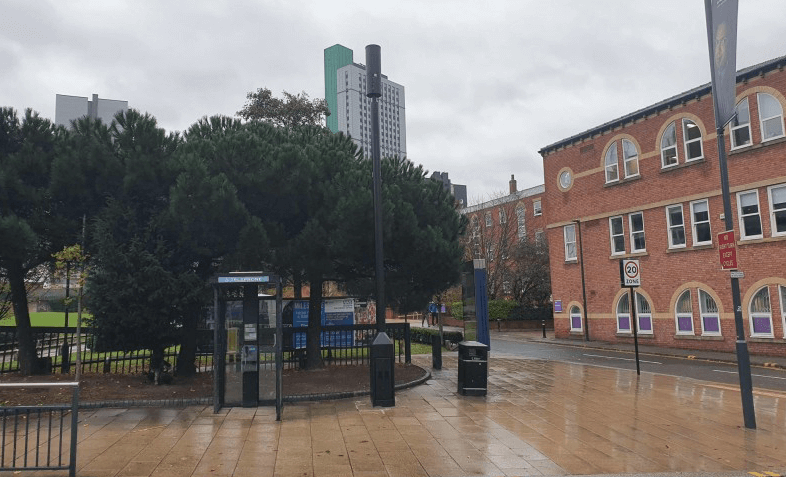
Network densification is a key premise of 5G architecture. Once the rollouts of 5G networks begin in earnest, we should expect to see many more cell sites in urban areas across the world. How many more? That remains to see, but the count of small cells could be 10x of the number of macro base stations common in the 3G/4G era – or maybe even higher than that. Each one of these small cells will need a physical location, which must be purchased or leased from a property owner. It requires permits and authorization from municipal authorities. It must have electrical power, and it must have the backhaul capacity to support multigigabit services – this implies fibre connectivity, although some schemes for meshed wireless backhaul are under consideration as well.
One way to measure the progress of 5G rollouts will be to keep an eye on the companies that actually will handle the deployment of physical equipment on the streets. Once we see the independent tower operators report increased rents do the deployment of massive MIMO antennas or the provisioning of new fibre contracts, then we will know the game has really begun.
Building and managing the physical infrastructure is a headache, especially when there are tens of thousands of sites dispersed across thousands of municipal jurisdictions. For this reason, mobile operators have moved quickly to exit this tricky business. In some countries, they have formed networking infrastructure sharing alliances with their rivals. In other countries, they have spun-out their cell site infrastructure into new companies. In the U.S. market, they have sold their tower operations either to Crown Castle or American Tower.
American Tower, which operates approximately 149,000 communications sites, including approximately 40,000 towers in the United States and more than 108,000 towers internationally, prides itself on being one of the largest global real estate investment trusts (REITs). In addition to the towers (masts) mentioned above, its portfolio also includes more than 800 Distributed Antenna Systems (DAS) in malls, casinos, and other indoor/outdoor venues. The Boston-based company, which was founded in 1995, has a simple missions statement – “to be the premier wireless infrastructure provider” – even if it never becomes recognized as a household name by the billions of consumers with smartphones in their hands right now.

In the United States, there are a number of requirements for a company to be considered a REIT, including that the majority of income must be generated by rents or leases rather than services. A different tax methodology can make this form of business organization more appealing than ordinary corporate structures, but there are requirements that may restrict the company’s business activities and strategic manoeuvres. For instance, REITs typically must distribute 90 percent of taxable income to shareholders, rather than using it for other purposes. The structure typically is modeled after mutual funds. Additionally, REITs must invest at least 75 percent of its total assets in assets, which could restrict the capital investments that the company might make in network equipment.
As of press time, we are awaiting the publication of the company’s financial results for Q4 2017, but American Tower’s recent performance has been good –18 consecutive quarters of double-digit growth in terms of its adjusted EBITDA. Revenue per site is on the rise and with the exception of occasional consolidation of its mobile network customers – which is a major and perennial threat to its business, the general trend is upward and forward. In this era of exploding demand for mobile data, it is a sure bet that mobile operators will be needing more towers and more bandwidth at those towers, than ever before.
In the United States, over the past few quarters, American Tower has experienced organic tenant billings growth at a pace of over 6 percent. The company also sees solid business growth across its diverse international footprint. American Tower is pursuing a capital allocation strategy that includes stock buybacks, dividends, and acquisitions.
Big breakaway growth opportunities include multi-year network deployments with FirstNet, the first responders’ network in the U.S., and Red Compartida, the shared network infrastructure project in Mexico, along with the coming 5G upgrade cycle.
The market is waiting to see financial guidance for how 5G will impact future revenue.
American Tower’s property revenue breaks down as follows geographically.
U.S. 55%
Latin America18%
Asia 18%
EMEA10%
As of June 2017, it’s major customers include the big four U.S. mobile operators
AT&T 15%
Verizon16%
Sprint 9%
T-Mobile 8%