Rich Communications Service (RCS): The Next Generation of Messaging
Introduction
Rich Communication Services (RCS) is a communication protocol designed to revolutionize the way we message on mobile devices. Developed by the GSM Association (GSMA), RCS aims to replace traditional SMS and MMS with a feature-rich experience similar to popular messaging apps like WhatsApp or iMessage. This article explores the history, features, and technical aspects of RCS, shedding light on why it’s being hailed as the future of carrier-based messaging.
A Brief History of RCS
The journey of RCS began in 2007 when a group of industry players, including the GSMA, conceived the idea of modernizing carrier-based messaging. Here’s a timeline of key events:
- 2008: GSMA took ownership of the RCS project and began promoting it as a global standard.
- 2008 (September 15): Original RCS specifications were introduced.
- 2016 (November 16): GSMA launched the Universal Profile to standardize RCS across different networks and devices, addressing early challenges with features and interoperability.
- 2020: RCS had been implemented by 90 mobile operators in 60 countries.
- 2022: Approximately 421 million monthly active users were reported.
- 2023: RCS was available on over 800 million devices.
- 2024 (Expected): Apple is anticipated to support RCS in its Messages app.
Despite its early development, RCS faced slow adoption due to fragmentation between carriers and device manufacturers, as well as competition from third-party messaging apps. However, recent years have seen accelerated growth, particularly after Google’s integration of RCS into its Messages app and the provision of RCS services globally through its Jibe platform.
Key Capabilities of RCS
RCS offers a range of enhanced messaging features that go beyond traditional SMS and MMS:
- Rich Media Support: High-resolution images, videos, and audio messages.
- Typing Indicators: Users can see when others are typing.
- Read Receipts: Confirmation when messages are read.
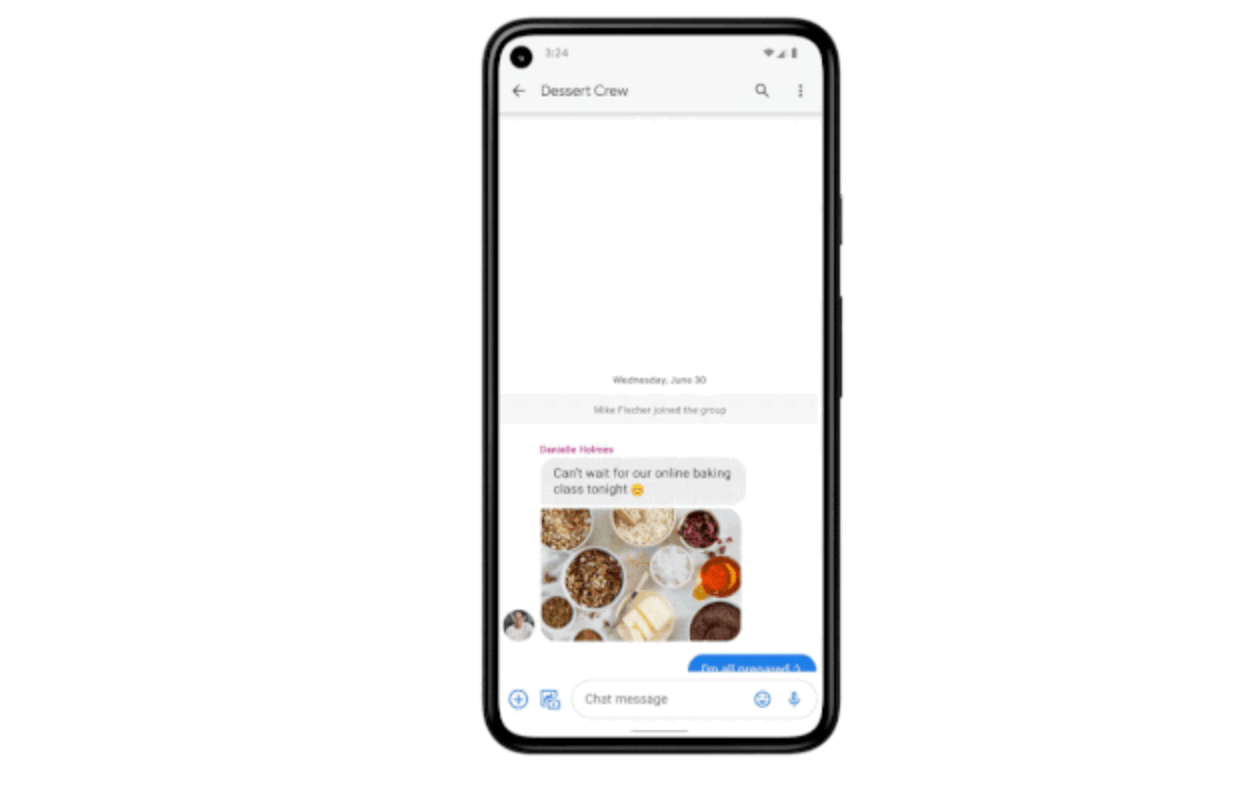
- Group Chats: Support for multiple participants in a single conversation.
- Location Sharing: Easy sharing of real-time location.
- Verified Business Messaging: Businesses can verify their identity, reducing spam and fraud risks.
- Interactive Features: Rich cards, carousels, and buttons for quick replies and actions.
- End-to-End Encryption (E2EE): Supported in recent implementations like Google’s rollout.
- IP-Based Messaging: Uses mobile data or Wi-Fi for communications.
- Seamless Transition: Automatic fallback to SMS or MMS when RCS is unavailable.
Technical Mechanisms of RCS
RCS is built on the IP Multimedia Subsystem (IMS) architecture, which is also used for services like VoLTE. Here are the key technical components:
- IMS Core: Provides the framework for delivering IP-based services.
- Session Initiation Protocol (SIP): Manages messaging sessions.
- Message Store and Forward: Ensures message delivery even when recipients are offline.
- RCS Client: Integrated into the default messaging app or a standalone application.
- RCS Messaging and Presence Protocol (RMP): Manages presence information and message content.
- Message Session Relay Protocol (MSRP): Transports messages and data in real-time.
- File Transfer Protocol: HTTP-based mechanism for large file transfers.
- Security Measures: Includes encryption, authentication, and support for E2EE.
- Universal Profile: Ensures interoperability across different carriers, devices, and networks.
Implementation for Communication Service Providers (CSPs)
To support RCS, CSPs must implement a robust infrastructure:
- IP Multimedia Subsystem (IMS) Core: Includes SIP servers, Media Resource Function (MRF), and Home Subscriber Servers (HSS).
- RCS Application Servers: Manage specific RCS features like messaging and presence.
- Message Store and Forward (MSF) Systems and Media Servers: Handle large file transfers.
- SMSC/MMSC Fallback Mechanisms: Ensure message delivery to non-RCS users.
- Business Messaging Platforms: Support verified brand communications and enhanced security.
- End-to-End Encryption: Ensure secure communications.
- Compliance with GSMA Universal Profile: Maintain interoperability across networks.
Adoption and Future Outlook
As of 2023, RCS has gained significant traction, especially in markets like Europe, North America, and parts of Asia. Major carriers and manufacturers, including Samsung and Google, have embraced the protocol. The expected support from Apple in late 2024 is anticipated to further boost interoperability between iOS and Android users.
RCS also opens new possibilities for business communications, allowing brands to use rich messaging for marketing and customer engagement purposes. The protocol’s support for carrier-based verification helps reduce spam and fraud, making it an attractive option for business-to-consumer communication.
Challenges and Considerations
Despite its growing adoption, RCS still faces some challenges:
- Lack of support from some carriers and limited interoperability in certain regions.
- Ongoing discussions about security, particularly regarding native end-to-end encryption in the core protocol.
- Competition from well-established over-the-top (OTT) messaging services.
Conclusion
Rich Communication Services represents a significant evolution in mobile messaging, offering a more engaging and feature-rich experience while maintaining the ubiquity of carrier-based communication. As adoption continues to grow and more devices become RCS-capable, we can expect to see a shift in how individuals and businesses communicate in the mobile landscape. The future of messaging is becoming increasingly rich, interactive, and seamlessly integrated into our daily digital lives.