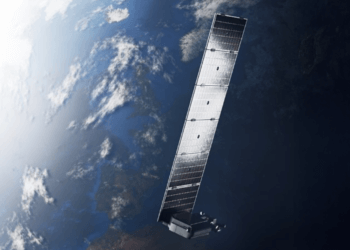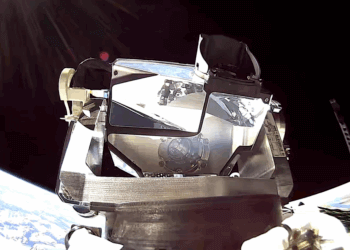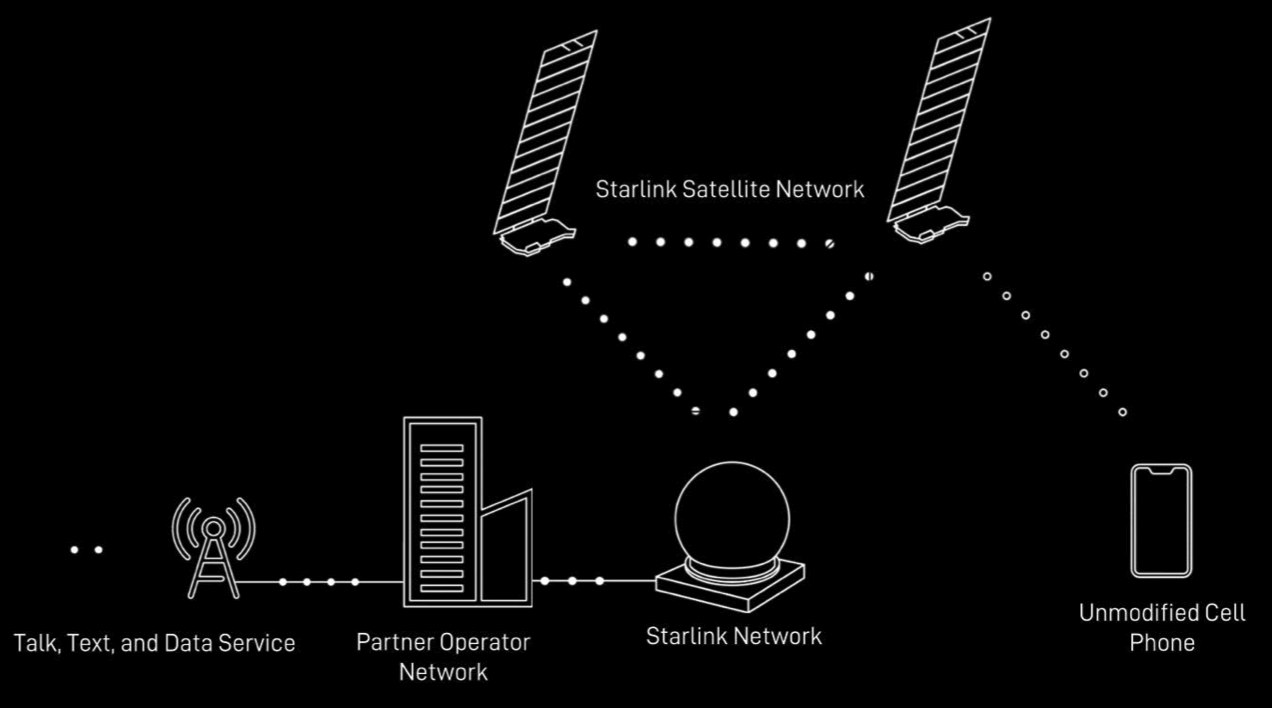
Starlink has completed its initial Direct-to-Cell (DTC) satellite constellation, enabling direct communication between standard LTE-compatible mobile phones and low Earth orbit satellites. This milestone was achieved with the recent launch of 20 additional satellites, bringing the total to over 320. The system is designed to support text messaging services, with plans to expand to voice and data capabilities by 2025. Operating at a 53-degree inclination, the satellites will be raised to an operational altitude of 360 km. The network aims to provide peak speeds of approximately 10 Mbps per beam, with future enhancements planned.
Starlink’s DTC service has established partnerships with several international carriers to extend its global reach. Collaborations include T-Mobile in the United States, Rogers in Canada, One NZ in New Zealand, KDDI in Japan, Optus in Australia, Entel in Chile and Peru, and Salt in Switzerland. These alliances aim to eliminate mobile dead zones by providing text messaging capabilities, with plans to introduce voice and data services in 2025. This initiative allows carriers to offer seamless connectivity in areas previously beyond the reach of traditional cellular networks, leveraging Starlink’s satellite infrastructure for comprehensive global coverage.
Key Points:
• Constellation Completion: Over 320 satellites now support Starlink’s Direct-to-Cell service, with the latest launch adding 20 satellites to the network.
• Operational Details: Satellites operate at a 53-degree inclination and will be raised to 360 km for full functionality. The system is engineered to provide approximately 10 Mbps per beam, with future upgrades planned.
• Carrier Partnerships: Collaborations include T-Mobile (U.S.), Rogers (Canada), One NZ (New Zealand), KDDI (Japan), Optus (Australia), Entel (Chile and Peru), and Salt (Switzerland).
• Service Timeline: Initial text messaging services are planned, with voice and data capabilities expected to roll out in 2025.
• Global Coverage: The initiative aims to eliminate mobile dead zones, providing connectivity in previously unreachable areas through Starlink’s satellite infrastructure.