• Home
  • Events Calendar
  • Blueprint Guidelines
  • Privacy Policy
  • Subscribe to Daily Newsletter
  • NextGenInfra.io
No Result
View All Result
Converge Digest
Monday, May 4, 2026
  • Home
  • Events Calendar
  • Blueprint Guidelines
  • Privacy Policy
  • Subscribe to Daily Newsletter
  • NextGenInfra.io
No Result
View All Result
Converge Digest
No Result
View All Result

Home » California Permitted to Implement to Technology-Specific Overlay Area Codes

California Permitted to Implement to Technology-Specific Overlay Area Codes

August 25, 2005
in Uncategorized
A A

The FCC granted a petition by the California Public Utility Commission to implement two technology-specific, specialized overlay (SOs) area codes for the state of California. The telephone numbers to be assigned in the SOs include those numbers used for services and technologies such as vehicle response systems, E-Fax, automated teller machines, point-of-sales machines, multi-line fax machines, and VoIP services.

One of the SO area codes will cover the northern portion of the state and the other SO area code will cover the southern portion of the state.

Following the FCC decision, the California PUC unanimously approved a plan for an all-services area code overlay to the existing 310 area code in Southern California. The new area code, 424, is expected to help replenish the stock of telephone numbers available within the 310 area code region. Consumers will not have to change numbers for existing services, but may be assigned a different area code for new telephone numbers within the same residence or business where multiple telephone numbers already exist.

Under the new overlay plan, all calls within the 310/424 overlay region must include a “1” followed by the three-digit area code and seven-digit line number. Customers may begin using this dialing pattern beginning December 31, 2005, and must use it starting July 26, 2006. New numbers will begin to be issued using the new 424 area code on or after August 26, 2006.
http://www.fcc.govhttp://www.cpuc.ca.gov/PUBLISHED/NEWS_RELEASE/48910.htm

  • The petition was first filed by the California PUC in October 2003.
  • The 310 area code was created in late 1991 to relieve number exhaustion in the 213 area code. The 310 area code was subsequently split in January 1997, forming a separate 562 area code, again to replenish number supplies.
Tags: AllService Providers
ShareTweetShare
Previous Post

Verizon Extends MPLS-based VPNs

Next Post

Morton Bahr Steps Down as President of CWA

Staff

Staff

Related Posts

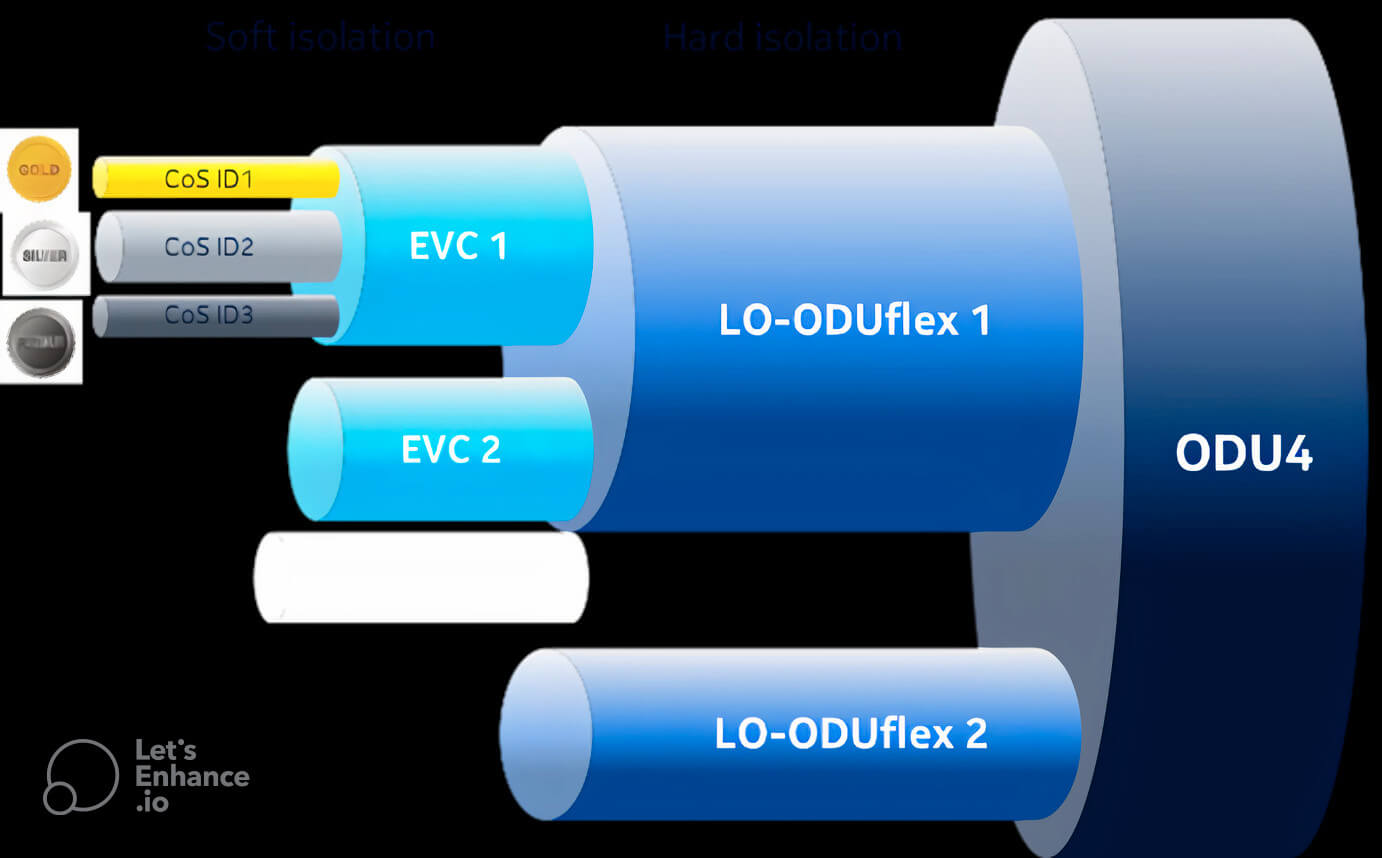
Blueprint: Building wholesale networks with OTN
All

Blueprint: Building wholesale networks with OTN

December 20, 2022
Huawei and Orange achieve 157 Tbps over 120km fiber link

Huawei and Orange achieve 157 Tbps over 120km fiber link

December 20, 2022
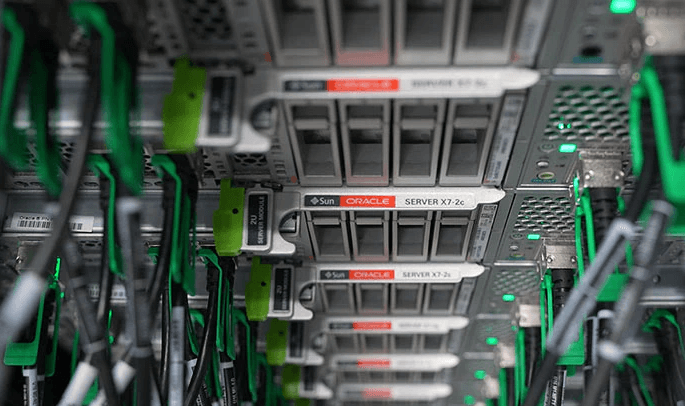
Oracle opens cloud region in Chicago
All

Oracle opens cloud region in Chicago

December 20, 2022
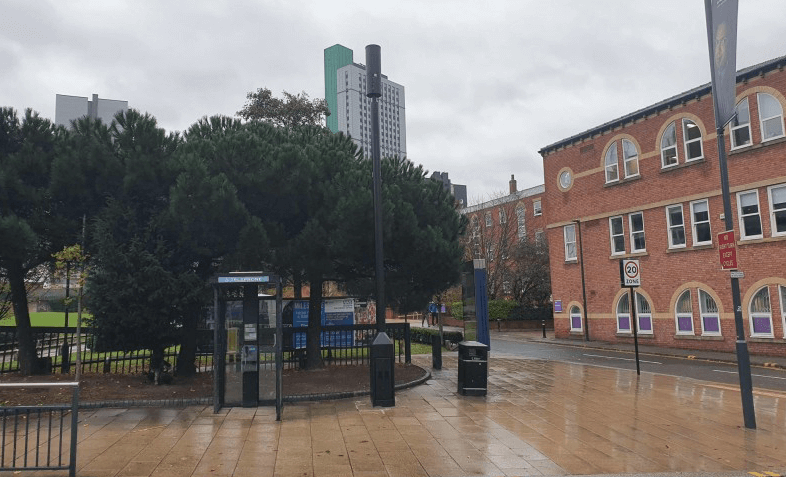
BT trials C-RAN in Leeds
All

BT trials C-RAN in Leeds

December 19, 2022
BT to combine Enterprise and Global units to create BT Business

BT to combine Enterprise and Global units to create BT Business

December 19, 2022
euNetworks appoints Stephanie Lynch-Habib to President

euNetworks appoints Stephanie Lynch-Habib to President

December 19, 2022
Next Post

D-Link Launches Wireless 3G Router for Mobile Broadband over Cellular

Please login to join discussion

Categories

  • 5G / 6G / Wi-Fi
  • AI Infrastructure
  • All
  • Automotive Networking
  • Blueprints
  • Clouds and Carriers
  • Data Centers
  • Enterprise
  • Explainer
  • Feature
  • Financials
  • Last Mile / Middle Mile
  • Legal / Regulatory
  • Optical
  • Quantum
  • Research
  • Security
  • Semiconductors
  • Space
  • Start-ups
  • Subsea
  • Sustainability
  • Video
  • Webinars

Archives

Tags

5G All AT&T Australia AWS Blueprint columns BroadbandWireless Broadcom China Ciena Cisco Data Centers Dell'Oro Ericsson FCC Financial Financials Huawei Infinera Intel Japan Juniper Last Mile Last Mille LTE Mergers and Acquisitions Mobile NFV Nokia Optical Packet Systems PacketVoice People Regulatory Satellite SDN Service Providers Silicon Silicon Valley StandardsWatch Storage TTP UK Verizon Wi-Fi
Converge Digest

A private dossier for networking and telecoms

Follow Us

  • Home
  • Events Calendar
  • Blueprint Guidelines
  • Privacy Policy
  • Subscribe to Daily Newsletter
  • NextGenInfra.io

© 2025 Converge Digest - A private dossier for networking and telecoms.

No Result
View All Result
  • Home
  • Events Calendar
  • Blueprint Guidelines
  • Privacy Policy
  • Subscribe to Daily Newsletter
  • NextGenInfra.io

© 2025 Converge Digest - A private dossier for networking and telecoms.

This website uses cookies. By continuing to use this website you are giving consent to cookies being used. Visit our Privacy and Cookie Policy.
Go to mobile version