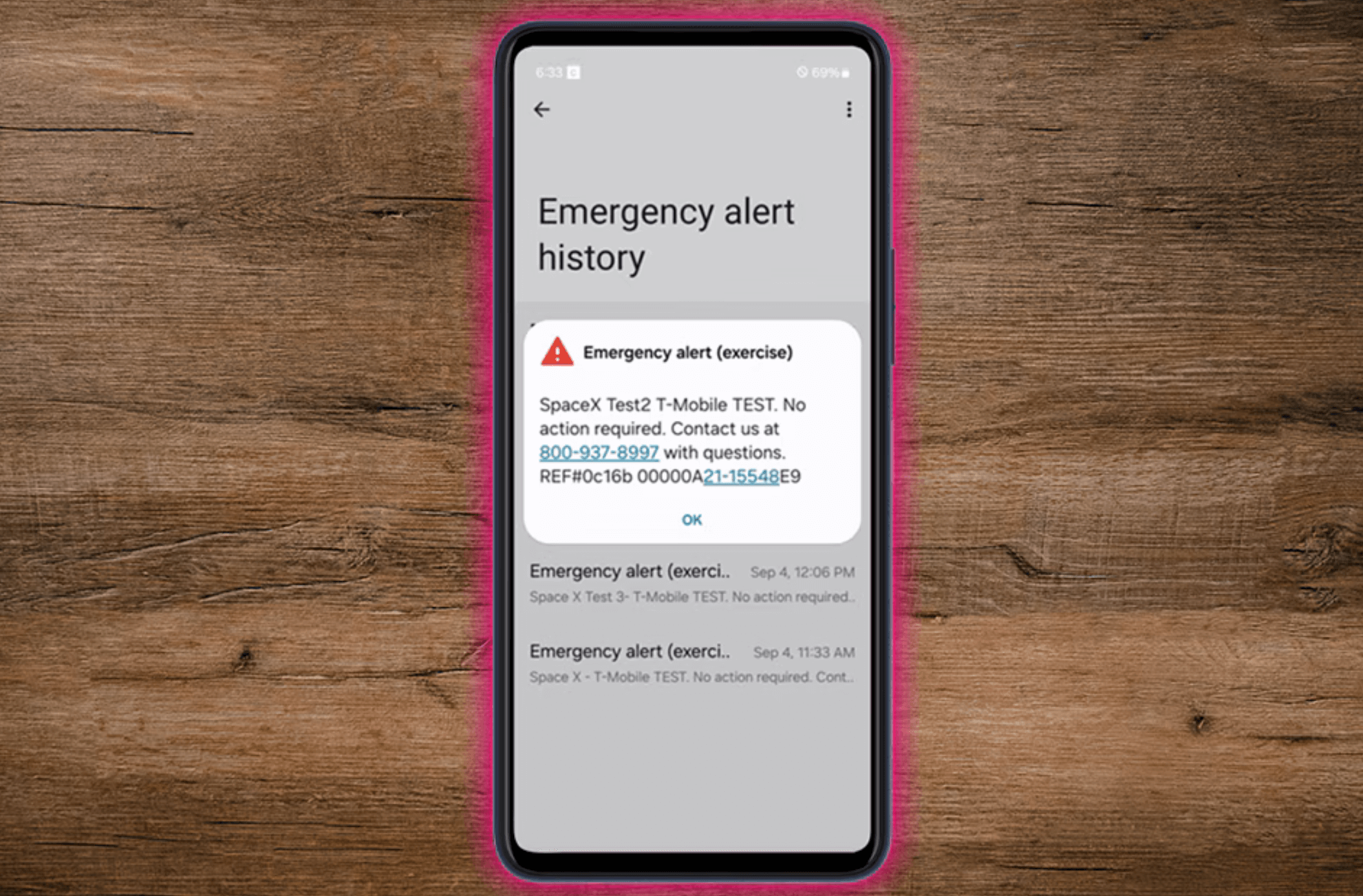
T-Mobile achieved a significant milestone in wireless communication, successfully sending and receiving a Wireless Emergency Alert (WEA) via satellite for the first time in the U.S. The test, conducted on September 5, 2024, marks the first instance of a WEA being transmitted using SpaceX’s Starlink satellite network, effectively bringing emergency alerts to remote areas previously unreachable by traditional cellular networks. The system promises to cover over 500,000 square miles of largely uninhabitable or mountainous land across the U.S., ensuring critical emergency communications can reach those in need.
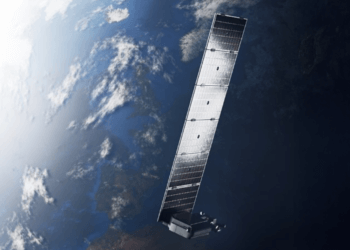
During the test, a hypothetical evacuation notice was transmitted 217 miles into space to one of Starlink’s more than 175 satellites in low-Earth orbit. From there, the message was sent to the designated geographic area and received by a T-Mobile smartphone. The entire process took just seconds, highlighting the potential life-saving capabilities of this satellite-enabled emergency alert system, especially in disaster-prone regions with limited or no cellular coverage.
T-Mobile and SpaceX’s partnership, announced under the Coverage Above and Beyond initiative, continues to expand with more satellites being deployed to provide nearly universal connectivity. Field testing of the satellite-to-smartphone service will soon begin, with additional SpaceX launches planned to further enhance coverage across the U.S. The companies are also inviting other global wireless providers to join the initiative, with several already on board.
• First-ever Wireless Emergency Alert (WEA) sent via satellite in the U.S.
• T-Mobile’s partnership with SpaceX aims to provide coverage to remote areas via Starlink satellites.
• Over 175 Starlink satellites currently in orbit with Direct to Cell technology.
• Beta testing of satellite-enabled services to begin soon with commercial launch expected later.
• Global wireless providers, including KDDI (Japan), Optus (Australia), Entel (Chile y Peru), and Rogers (Canada), have joined the initiative.
“This is one of those days that makes me pause and reflect on how the work we’re doing truly impacts life and death situations,” said Mike Sievert, CEO of T-Mobile.