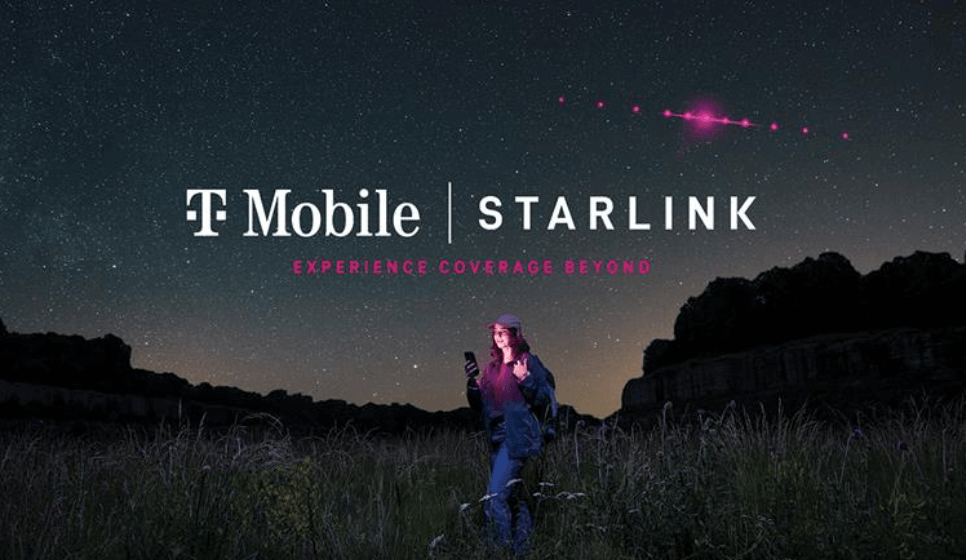
T-Mobile has officially opened registration for its beta program for T-Mobile Starlink, a direct-to-cell satellite service that aims to eliminate mobile dead zones across the United States. Partnering with SpaceX’s Starlink, the initiative leverages a network of satellites equipped for direct-to-cell (DTC) communication to provide coverage in remote areas beyond the reach of traditional cell towers. The beta service, launching early next year, will initially support text messaging, with voice and data services expected to follow. Registration is free for T-Mobile postpaid customers with compatible devices.
This breakthrough technology, described by T-Mobile’s President of Marketing, Strategy, and Products Mike Katz as a “groundbreaking engineering milestone,” integrates Starlink’s DTC satellites directly with T-Mobile’s terrestrial network. Unlike existing satellite messaging systems, users won’t need additional hardware or to manually position their devices for a signal; messages are sent and received like standard SMS. The service prioritizes first responders and agencies for beta access to ensure critical connectivity in emergencies.
Key Details:
• Beta Features: Initial support for texting, with voice and data planned.
• Who Can Join: Open to T-Mobile postpaid customers in the U.S. with compatible devices.
• Priority Access: First responders and emergency agencies are prioritized.
• User-Friendly Integration: Operates like a standard mobile network—no extra equipment needed.
• Learn More and Register:
• Businesses and First Responders
DTC-Powered Satellites in a Vast Starlink Constellation
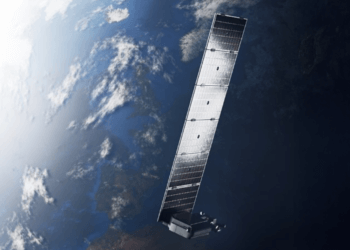
The beta program leverages approximately 300 Starlink satellites equipped for DTC connectivity, part of SpaceX’s growing constellation of over 7,000 low Earth orbit satellites. While only a subset of the Starlink network supports DTC services, these specialized satellites integrate seamlessly with T-Mobile’s terrestrial spectrum to provide reliable service in previously unreachable areas.
This collaboration has already shown its potential. During Hurricanes Helene and Milton, the system provided critical connectivity for users in disaster-stricken areas, enabling them to send and receive messages when traditional mobile networks were down. As deployment expands, T-Mobile Starlink is set to revolutionize mobile connectivity, bridging gaps in network coverage and making dead zones a thing of the past.